
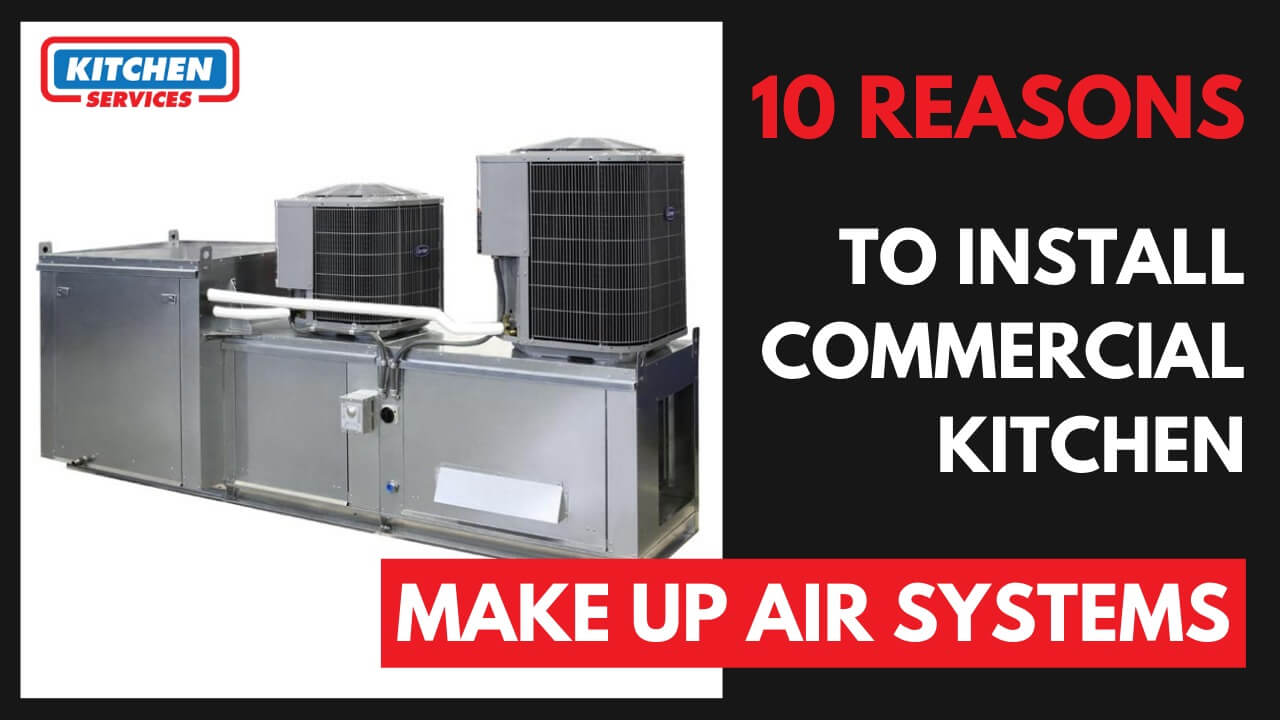
A make-up air fan is actually a fan that is supposed to supply fresh air from your outside environment into your inside environment. These are also called supply fans or make-up air units. The real purpose of any make-up air fan is that it replaces the amount of air that is nearly equal to the air you are eliminating from inside of your commercial kitchen, restaurant, or any food truck.
When you add a makeup air unit for your kitchen, it adds replacement air for what’s being drawn out of the kitchen by your exhaust hoods. Without it, you get back drafting, poor temperature control, negative air pressure, and air quality problems. Poor ventilation can also contribute to the spread of disease. Using a commercial kitchen make up air systems is usually required and stated by the law, but there can be many reasons for you to install a make-up air system.
What is makeup air in a restaurant?
Makeup air in a restaurant refers to the fresh, conditioned air that is brought into the kitchen to replace the air removed by the exhaust system. A make-up air unit works alongside the exhaust hood, maintaining proper airflow balance and ensuring that the kitchen remains safe, comfortable, and well-ventilated
What is the purpose of a make-up air Units for restaurants?
Commercial kitchens exhaust massive volumes of air through hood systems to remove heat, smoke, grease, and odors. A make-up air unit for commercial kitchens is designed to replace that exhausted air with fresh, tempered air, keeping the kitchen safe, comfortable, and compliant with code. Here’s why make-up air units for restaurants are essential:
1. Keep Exhaust Hoods Working Properly
Without replacement air, exhaust fans must work harder, reducing efficiency and potentially damaging equipment. A kitchen makeup air unit ensures your hood system removes the right amount of air (CFMs) to function at peak performance.
2. Maintain a Cleaner Kitchen
Lack of proper airflow leads to grease and oil buildup, making your kitchen harder to clean. A commercial makeup air unit reduces contaminants in the air, helping your ventilation system do its job effectively.
3. Reduce Noise Levels
When no make-up air fan is supplied, exhaust fans pull air through cracks in windows and doors, creating loud, vacuum-like noises. A make-up air system balances airflow and keeps your kitchen quieter.
4. Prevent Backdrafting and Gas Leaks
Negative air pressure can cause dangerous gases like carbon monoxide to backdraft into the kitchen instead of being vented out. Make up air unit installation stabilizes pressure and helps protect staff from harmful exposure.
5. Improve HVAC Efficiency
Balanced air pressure supports your HVAC system, preventing it from overworking and wearing down prematurely. This helps extend equipment life and reduce maintenance costs. Regular make up air unit repair also ensures continued efficiency.
6. Lower Energy Bills
An imbalanced ventilation system makes heating and cooling inefficient, driving up energy costs. By delivering conditioned replacement air, a makeup air installation helps maintain comfort while saving money.
7. Minimize Smoke, Odors, and Stale Air
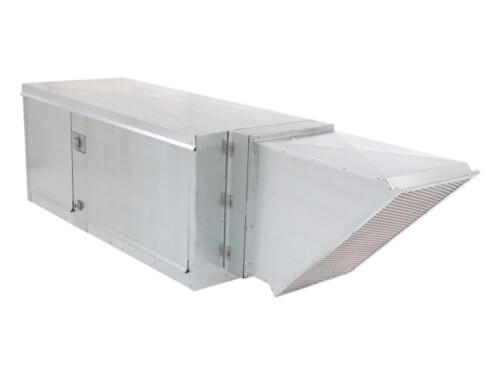
Make-up air units for restaurants improve indoor air quality by reducing smoke, cooking odors, and musty air — creating a healthier and more pleasant work environment.
8. Prevent Negative Pressure Problems
Unbalanced pressure can cause doors to slam, drafts, uneven temperatures, and even difficulty opening refrigerators or entry doors. A make up air unit installation eliminates these common issues.
9. Control Moisture and Condensation
Excess heat and humidity can lead to mold, mildew, and uncomfortable working conditions. A commercial kitchen makeup air unit helps exhaust systems remove moisture efficiently, protecting both staff and equipment.
10. Stay Code-Compliant
Most local building and fire codes require make up air units for commercial kitchens. Installing a MAU ensures compliance, prevents costly fines, and improves overall safety.
Types of Make-Up Air Units for Commercial Kitchens
1. Direct-Fired Make-Up Air Units
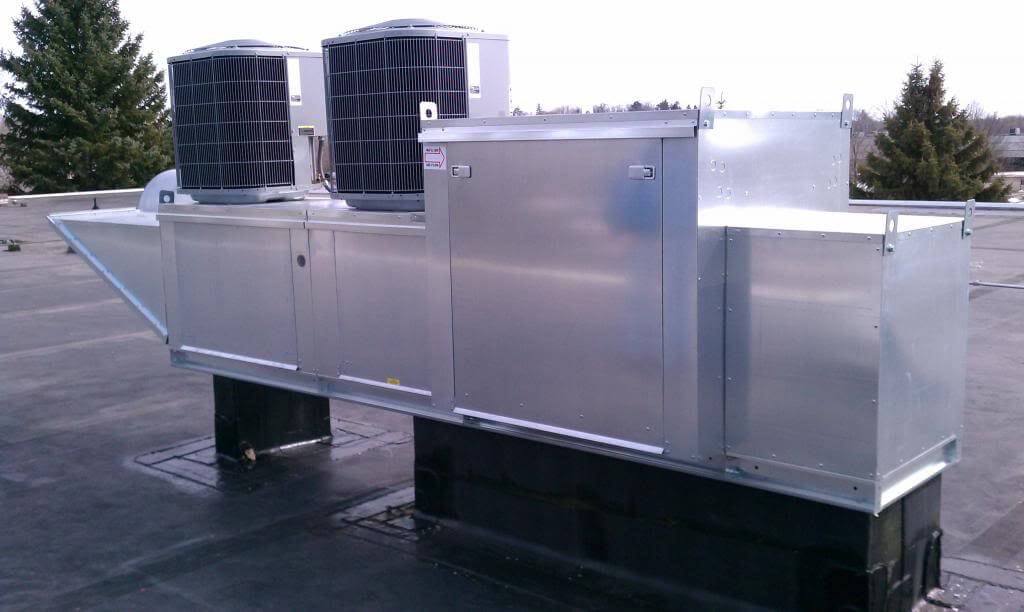
- Heat the incoming air by passing it directly over a gas flame.
- Very energy efficient since almost all fuel energy is transferred to the air.
- Common in large commercial kitchens that need quick heating.
- Not ideal in spaces where absolute indoor air quality control is required, since combustion byproducts (though minimal) may enter the air stream.
2. Indirect-Fired Make-Up Air Units
- Use a gas burner inside a heat exchanger to warm the air (no direct contact between air and flame).
- Cleaner air supply compared to direct-fired units.
- More suitable for restaurants concerned with high indoor air quality standards.
- Slightly less energy efficient due to heat transfer loss.
3. Heated (Tempered) Make-Up Air Units
- Can be either direct-fired or indirect-fired.
- Condition the replacement air by heating it in colder climates, ensuring comfort for kitchen staff.
- Prevents drafts and helps HVAC systems maintain balance.
4. Cooled Make-Up Air Units
- Equipped with cooling coils or DX systems to lower the temperature of incoming air.
- Ideal for hot climates or kitchens where excess heat is a big concern.
- Helps maintain comfortable working conditions in summer months.
5. Unheated / Unconditioned Make-Up Air Units
- Simply bring in outdoor air without heating or cooling.
- Most affordable option, but may create discomfort if the climate is too hot or too cold.
- Best for mild climates or kitchens with strong HVAC support.
6. Packaged Make-Up Air Units
- All-in-one systems that include fans, filters, heating/cooling components, and controls.
- Easier to install and maintain compared to custom-built setups.
- Suitable for small to mid-sized restaurants.
7. Custom-Built Make-Up Air Systems
- Designed for large commercial kitchens with specific airflow and conditioning requirements.
- Can integrate with HVAC, exhaust hoods, and energy recovery systems.
- Higher upfront cost but provides maximum efficiency and comfort.
Conclusion
In conclusion, installing a commercial kitchen make-up air system is essential for maintaining a healthy, safe, and efficient work environment. By addressing issues such as poor ventilation, temperature control, and air quality, these systems ensure compliance with health and safety regulations, improve employee comfort, and enhance the overall performance of kitchen equipment. From reducing energy costs to preventing backdrafts and unpleasant odors, the benefits of a make-up air system make it a valuable investment for any commercial kitchen. Prioritizing air balance not only protects your kitchen but also supports the long-term success of your business.
Make-up Air Unit for Restaurants FAQs
What are commercial kitchen makeup air requirements?
Commercial kitchen make-up air requirements ensure proper ventilation by supplying fresh air to replace what is exhausted. The system must balance air pressure, meet local building and fire codes, and provide adequate airflow to prevent backdrafts and maintain indoor air quality. Typically, the make-up air volume should match the exhaust volume to ensure efficient kitchen operation and safety compliance.
How does a make up air unit work?
A make-up air unit works by supplying fresh, conditioned air into a building to replace the air that is exhausted, particularly in commercial kitchens. It ensures balanced air pressure, preventing issues like drafts, odors, and equipment inefficiency. The system conditions the incoming air—heating or cooling it as needed—to maintain a comfortable environment and support proper ventilation and exhaust systems.
What is a make-up air unit (MAU) in a restaurant?
A make-up air unit is an HVAC system designed to replace the air that is exhausted from a commercial kitchen (such as through hoods or ventilation fans). It brings in fresh, conditioned outdoor air to maintain balanced air pressure and ensure a safe, comfortable environment for staff and customers.
Why do restaurants need make-up air units?
Without make-up air, the kitchen can become negatively pressurized, causing issues such as:
- Backdrafting of combustion appliances (which can lead to carbon monoxide buildup)
- Poor hood performance
- Infiltration of dust, smoke, or hot air from unwanted areas
- Increased HVAC strain and energy costs
How does a make-up air unit work in a restaurant kitchen?
The MAU draws fresh outdoor air, filters it, and optionally heats or cools it before delivering it to the kitchen to replace the air lost through exhaust fans. This helps maintain air balance and indoor air quality.
Is make-up air required by code in commercial kitchens?
Yes, in most areas, building and fire codes require the use of make-up air systems in commercial kitchens to ensure safe and code-compliant operation.
What is the alternative to a make-up air unit?
There is no true substitute for a make-up air unit in commercial kitchens. Some restaurants attempt to use HVAC systems or natural air infiltration (through doors and windows) as alternatives, but these methods are not effective or code-compliant. A properly installed commercial makeup air unit is the safest and most reliable solution for maintaining balanced air pressure.
How much make-up air is required?
The amount of make-up air needed depends on how much air your kitchen exhaust system removes. Typically, a make-up air system should replace 80–100% of the exhausted air volume (measured in cubic feet per minute, or CFM). For example, if your exhaust hood removes 5,000 CFM, your kitchen makeup air unit should supply roughly the same amount back into the kitchen. An HVAC professional can calculate the exact requirement based on hood size, cooking equipment, and local code.
