
Keeping your walk-in freezers and refrigerators in top condition is essential for maintaining food safety, preventing product loss, and extending the lifespan of your commercial refrigeration units. Whether you run a restaurant, cloud kitchen, grocery store, or any food-service business, your cooling equipment is a major investment—and without regular preventative maintenance, small issues can quickly escalate into expensive repairs and system breakdowns.
This maintenance checklist for walk-in freezers and refrigerators covers daily, weekly, monthly, and quarterly tasks that ensure your units run efficiently, stay energy-efficient, and avoid unexpected failures. These actionable steps are easy enough for staff to follow, even if you’re a small business with a limited maintenance budget.
Given the expensive costs of replacements and walk-in freezer repair and the problems that might arise for a business if these appliances fail, it’s necessary to maintain them properly to guarantee they keep working at their best.
Why Preventive Maintenance Matters for Walk-In Freezers & Refrigerators
Walk-in coolers and freezers operate 24/7, which means components naturally accumulate dust, grease, moisture, and wear. Neglecting routine maintenance can lead to:
- Higher electricity bills
- Temperature fluctuations
- Bacterial growth and food spoilage
- Ice buildup on evaporator coils
- Compressor failure
- Costly emergency repairs
- Reduced equipment lifespan
With replacement costs running into thousands of dollars, performing preventive maintenance is one of the simplest and most cost-effective ways to protect your business.
Complete Maintenance Checklist for Walk-In Freezers and Refrigerators
1. Clean and Inspect Condenser Coils
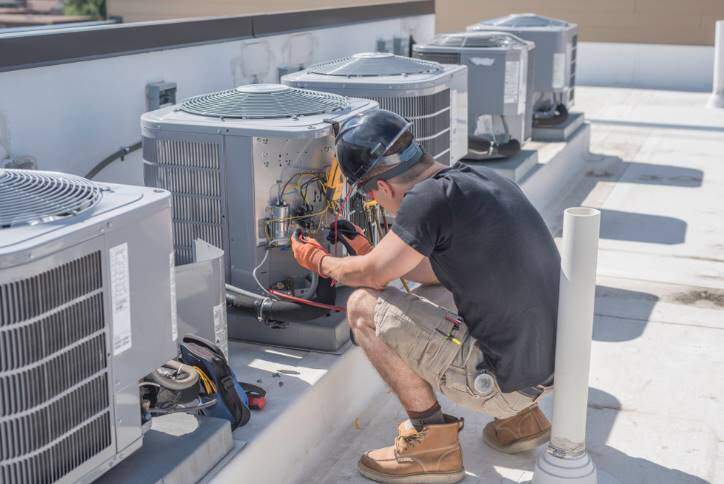
The condenser coil is the heart of your cooling system. When it’s covered in dirt or grease, heat cannot escape, forcing your system to work harder.
Steps:
- Disconnect power supply for safety.
- Pull the unit away from the wall to access the coils.
- Remove the toe guard (if applicable).
- Vacuum visible dust and debris using a narrow attachment.
- Brush off stubborn dirt using a long-handled coil brush.
- Perform a final vacuum pass to remove remaining particles.
Cleaning condenser coils reduces energy consumption and prevents compressor overload.
2. Clean Evaporator Coils and Fan Blades
Dirty evaporator coils can cause:
- Ice buildup
- Temperature fluctuations
- Higher energy usage
How to clean:
- Use a soft brush, mild detergent, or approved evaporator coil cleaner.
- Avoid acidic cleaners—they can corrode the coils.
- Rinse thoroughly to remove residue.
- Ensure fans spin freely and quietly.
3. Inspect Door Gaskets (Seals)
Leaking gaskets let warm air enter the unit, causing temperature problems and overworking the compressor.
Check for:
- Cracks
- Tears
- Hardened rubber
- Loose or sagging edges
Replace gaskets that do not seal tightly around the door.
4. Examine Door Hinges and Latches
Damaged hinges or faulty latches prevent the door from closing fully.
What to check:
- Alignment of the door
- Smooth opening and closing
- Hinges free from stress cracks
- Latches engaging properly
- No gaps around the door frame
Doors that don’t close correctly lead to frost buildup and temperature instability.
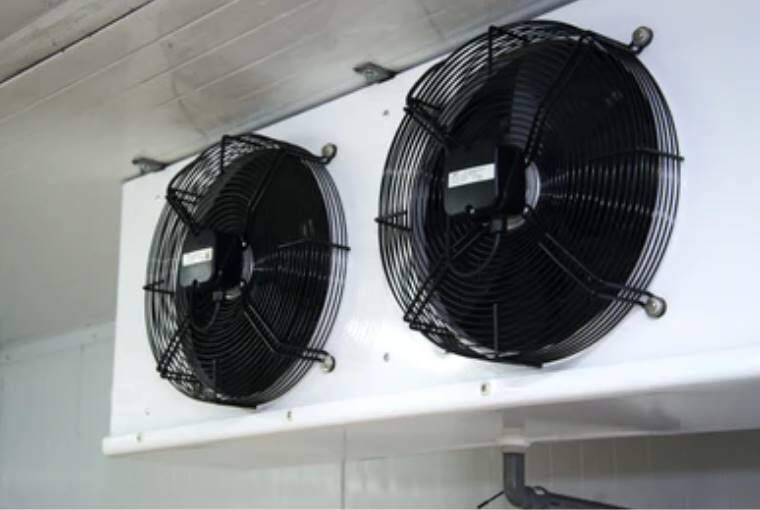
5. Inspect Fans & Fan Grills
Fans circulate cold air throughout the unit. Any malfunction reduces cooling efficiency.
Checklist:
- Fans should spin freely without noise
- Replace motors that feel tight or make unusual sounds
- Tighten loose screws
- Look for bent or cracked fan blades
- Lubricate motors if applicable
Proper airflow ensures consistent temperature and prevents hotspots.
6. Maintain Drain Lines
Clogged drain lines lead to water accumulation, mold, and foul odors.
Maintenance Tips:
- Check for blockages weekly
- Flush with warm water or a safe cleaning solution
- Avoid using harsh chemicals
- If you’re unsure, ask a technician to demonstrate once
Keeping drain lines clear helps prevent water leaks and ice buildup.
7. Inspect Electrical Wiring & Controls
Loose or damaged wiring is a hidden threat.
What to do:
- Look for discoloration, frayed wires, exposed spots
- Tighten electrical and ground connections
- Check defrost cycles for proper timing
- Inspect defrost heater amp draw
- Ensure even contact between heaters and coils
Electrical issues can cause system failure, so this step is critical.
8. Monitor Temperature Settings
Incorrect thermostat settings can cause:
- Food spoilage
- Excessive frost
- Overworking the compressor
- Higher energy bills
Best practices:
- Verify temperature settings daily
- Do not repeatedly adjust the thermostat
- Ensure defrost cycle frequency is correct
- Keep freezer temperature at -18°C (0°F)
- Keep refrigerator at 2–4°C (35–39°F)
Incorrect settings reduce efficiency and shorten equipment lifespan.
Common Walk-In Freezer Problems & How Maintenance Prevents Them
1. Ice Buildup on Coils
→ Caused by poor airflow, dirty coils, or gasket leaks.
2. Temperature Fluctuations
→ Often due to blocked fan airflow or thermostat problems.
3. High Energy Bills
→ Usually linked to dirty condenser coils or worn-out door seals.
4. Water Leaks
→ Result from clogged drain lines or ice buildup.
5. Frost on Door Frame
→ Indicates warm air infiltration from damaged gaskets.
Maintenance prevents these issues before they become costly repairs.
When to Call a Professional Technician
While most maintenance tasks are easy to perform in-house, call a technician if you observe:
- Strange compressor noises
- Unusual burning smell
- Frequent temperature alarms
- Excessive ice despite defrosting
- Signs of refrigerant leak
- Electrical failures
Professionals should also check refrigerant levels, compressor performance, and advanced diagnostics at least twice a year.
Also Read: How to Stop Mold Growth in your Walk-in Freezer
Final Takeaway
Following this preventive maintenance checklist for walk-in freezers and refrigerators will keep your units performing reliably, reduce energy consumption, and help avoid expensive emergency repairs. Whether you manage a busy restaurant or a small startup food business, staying consistent with these steps protects your investment and ensures food safety
Common FAQs About Walk-In Freezers and Refrigerators Maintenance
Do refrigerators need regular maintenance?
Keep your refrigerator running like new by performing these quick tasks. A refrigerator is an expensive appliance that most of us use without much thought. However, like most appliances in a home, fridges require some routine maintenance.
Cold room maintenance checklist?
Daily Cold Room Maintenance Checks and Cleaning
- Spillages should be cleaned up Immediately
- Check the cold room temperature is correct for your products
- Inspect the evaporator for a build-up of ice
- Check the compressors in the walk-in cold room for oil leakage
- Check the Freon levels in the cold storage room
