
Commercial kitchen exhaust grease duct cleaning guidelines are designed to reduce fire hazards, improve indoor air quality, and ensure compliance with national and local safety codes. Grease, oil, and combustible residues accumulate inside kitchen exhaust hoods, ducts, fans, and plenums during daily cooking operations. If not properly maintained, this buildup becomes a major cause of commercial kitchen fires.
This comprehensive guide explains official grease duct cleaning guidelines, inspection requirements, cleaning frequencies, applicable standards, and best practices for maintaining a safe and compliant commercial kitchen exhaust system.
Why Commercial Kitchen Exhaust Grease Duct Cleaning Is Important
Commercial kitchen exhaust systems are custom-designed based on cooking volume, equipment type, and building layout. A primary concern with these systems is grease accumulation inside the ductwork. Grease-laden vapors travel through the hood, plenum, ducting, and exhaust fan, where they condense and harden over time.
Without routine exhaust grease duct cleaning, commercial kitchens face increased risks, including:
- Grease fires and flash fires
- Health and hygiene issues
- Pest and insect infestations
- Reduced airflow and mechanical failure
- Code violations and insurance claim denial
Regular kitchen exhaust system cleaning is essential for fire prevention and operational safety.
Components of a Commercial Kitchen Exhaust System
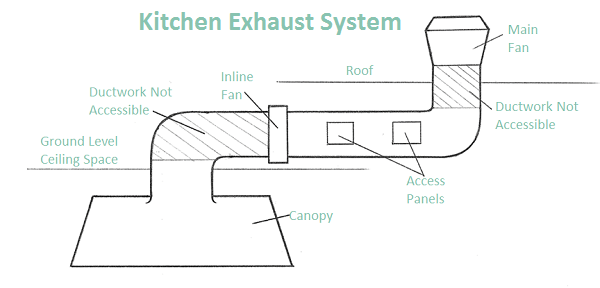
A commercial kitchen exhaust system consists of multiple interconnected components that must all be cleaned to meet industry guidelines.
1. Filters
Grease filters are located inside the canopy hood and are designed to capture grease, oil, and airborne particles produced during cooking.
2. Canopy Hood
Also known as a range hood or exhaust hood, the canopy hood captures heat, smoke, steam, and grease-laden vapors.
3. Plenum
The plenum is the internal chamber located behind the filters where grease accumulation often begins.
4. Grease Ductwork
Ducting transports contaminated air from the hood to the exhaust fan. Ducts may run horizontally or vertically through multiple levels of a building. Vertical ducts are commonly referred to as risers.
5. Exhaust Fan
The exhaust fan creates airflow that removes contaminated air and discharges it outside the building.
6. Fire Protection Systems
Fire suppression systems may include sprinklers or nozzles installed inside the hood, plenum, and ductwork to control grease fires.
Related: How To Keep Your Commercial Kitchen Clean
Commercial Kitchen Exhaust Grease Duct Cleaning Guidelines
According to NFPA 96, ANSI/IKECA C10-2016, and BESA TR/19, all commercial kitchen exhaust systems must be inspected, cleaned, and maintained regularly to prevent grease buildup and reduce fire risk.
These guidelines require that all internal surfaces of the exhaust system—including hoods, ducts, fans, and plenums—be cleaned to bare metal when grease accumulation exceeds acceptable levels.
Surface-only cleaning is not sufficient to meet compliance requirements.
Recommended Grease Duct Cleaning Frequency
Cleaning frequency depends on cooking type, fuel source, and operational volume.
| Cooking Operation Type | Required Cleaning Frequency |
|---|---|
| Solid fuel cooking (wood or charcoal) | Monthly |
| High-volume cooking (24/7 operations) | Every 3 months |
| Moderate-volume cooking | Every 6 months |
| Low-volume or seasonal kitchens | Annually |
These frequencies are based on NFPA 96 standards and may be adjusted based on inspections, local fire codes, and insurance requirements.
Common Kitchen Exhaust Grease Duct Cleaning Problems
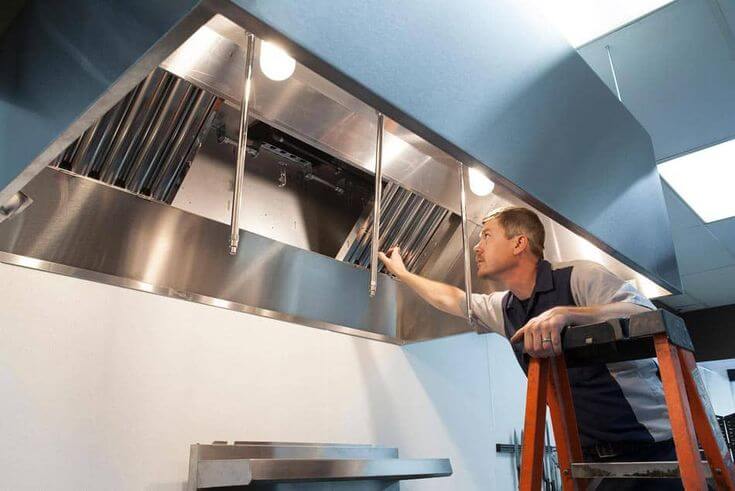
Many commercial kitchens experience recurring grease buildup due to improper or incomplete cleaning. Standards require monthly visual checks of hoods and filters, while ducts and exhaust fans should be inspected every 6 to 12 months.
Common issues found during inspections include:
- Incomplete duct and fan cleaning
- Poor access preventing full grease removal
- Substandard cleaning methods
- Misleading or conditional cleaning certificates
If grease residue remains after cleaning, the system remains a fire hazard and may fail insurance or fire inspections.
Inspection and Compliance Requirements
NFPA 96 places responsibility on commercial kitchen owners and operators to ensure their exhaust systems are properly inspected and cleaned. Inspections must be conducted by qualified professionals to determine grease accumulation levels and cleaning needs.
Documentation of inspections and cleanings should be kept on-site and made available to fire inspectors, health departments, and insurance providers.
Failure to comply with inspection and cleaning requirements can result in fines, forced shutdowns, or denied insurance claims.
If you are looking for commercial kitchen duct cleaning service providers in Los Angeles and surrounding areas, then call Kitchen Services. Our team is the backbone of our organization. They thoroughly carry out your kitchen hood cleaning by using some professional kitchen cleaning tools.
Scope of Professional Kitchen Exhaust Grease Duct Cleaning
A compliant commercial kitchen exhaust cleaning service typically includes:
- Disconnecting and cleaning exhaust fans
- Inspecting fans for mechanical wear
- Removing grease from hood filters and plenums
- Degreasing accessible and concealed ductwork
- Cleaning horizontal and vertical grease ducts
- Performing post-cleaning inspections
In some cases, contractors may apply a food-safe protective coating to stainless steel surfaces to reduce corrosion and grease adhesion.
Best Practices for Ongoing Maintenance
While professional cleaning is essential, daily and weekly maintenance also plays a critical role in grease control.
Best practices include:
- Regularly cleaning hood exteriors and backsplashes
- Washing grease filters frequently
- Monitoring grease accumulation during spot inspections
- Using high-quality grease filtration systems
A clean exhaust system supported by effective filters can significantly reduce the need for frequent deep duct cleaning.
Regulations and Industry Standards
Commercial kitchen exhaust grease duct cleaning is governed by multiple standards and codes, including:
- NFPA 96 – Standard for Ventilation Control and Fire Protection of Commercial Cooking Operations
- ANSI/IKECA C10-2016 – Cleaning, Inspection, and Maintenance of Commercial Kitchen Exhaust Systems
- BESA TR/19 – Ventilation system hygiene guidance
These standards establish minimum safety requirements for inspection, cleaning, and fire prevention.
Related: Importance of Air Duct system cleaning
Conclusion
Commercial kitchen exhaust grease duct cleaning is a critical fire-prevention measure for restaurants and food service facilities. Following established guidelines helps reduce grease fire risks, ensures compliance with NFPA 96, and protects both staff and property.
Routine inspection, proper cleaning frequency, and adherence to industry standards ensure commercial kitchen exhaust systems remain safe, efficient, and code-compliant. Prioritizing grease duct cleaning is essential for maintaining a safe cooking environment and long-term operational reliability.
Kitchen Exhaust Grease Duct Cleaning FAQs
What is a grease duct?
A grease duct is a specially designed ductwork system that ventilates air and removes heat, smoke, and grease-laden vapors from commercial kitchen cooking equipment. These ducts are typically connected to a grease hood above stoves, fryers, and grills. Over time, grease buildup inside these ducts can become a serious fire hazard. That’s why grease hood cleaning and routine maintenance are essential to comply with safety codes and ensure proper airflow.
What is used for grease duct cleaning?
Grease duct cleaning equipment includes specialized tools like rotary brushes, high-pressure air whips, vacuum systems, and chemical degreasers designed to break down and remove hardened grease. Many professional kitchen exhaust duct cleaning services also use inspection cameras to identify problem areas and verify the system is thoroughly cleaned. This equipment is also used for kitchen air vent cleaning to maintain healthy indoor air quality and efficient ventilation.
What is the kitchen exhaust duct cleaning procedure?
The standard kitchen exhaust duct cleaning procedure typically involves several key steps:
- Inspection: Technicians assess the level of grease buildup inside the ducts and on the commercial kitchen exhaust fan.
- Preparation: All cooking equipment is covered, and access panels are opened to reach internal duct surfaces.
- Degreasing: Chemical solutions are applied to loosen thick grease and grime inside the ducts.
- Mechanical Cleaning: High-powered tools and brushes scrub the ductwork, while vacuum systems remove debris.
- Fan and Hood Cleaning: The commercial kitchen exhaust fan and grease hood are also cleaned to ensure the entire system operates efficiently.
- Final Inspection: A post-cleaning check ensures compliance with NFPA 96 standards.
By hiring professional kitchen exhaust duct cleaning services, restaurants ensure fire safety, better air quality, and more efficient exhaust fan operation.
What are the duct cleaning requirements?
EPA does not recommend that the air ducts be cleaned routinely, but only as needed. EPA does, however, recommend that if you have a fuel burning furnace, stove or fireplace, they be inspected for proper functioning and serviced before each heating season to protect against carbon monoxide poisoning.
How often should you clean kitchen exhaust hood conopy?
The frequency of cleaning your individual system depends on a range of factors including:
- the type of food being cooked
- the method of cooking
- the frequency the food is cooked.
How long does it take to clean hood vents?
A standard hood cleaning takes 3-4 hours. However, there are a variety of factors that determine how long it takes. The length of time between cleanings, the size of the kitchen, and the number of hoods/fans all factor into how long it will take for the job to be completed
How often should hoods and ducts be cleaned by a professional?
All kitchen hood and ducts must be inspected at least every six months by a hood and duct cleaning contractor. If the inspection reveals the need for cleaning, then the system must be cleaned by the certified hood and duct cleaning contractor. If you are looking for commercial kitchen cleaning in Woodlands area and around call Kitchen Services at (323) 310-2010
