
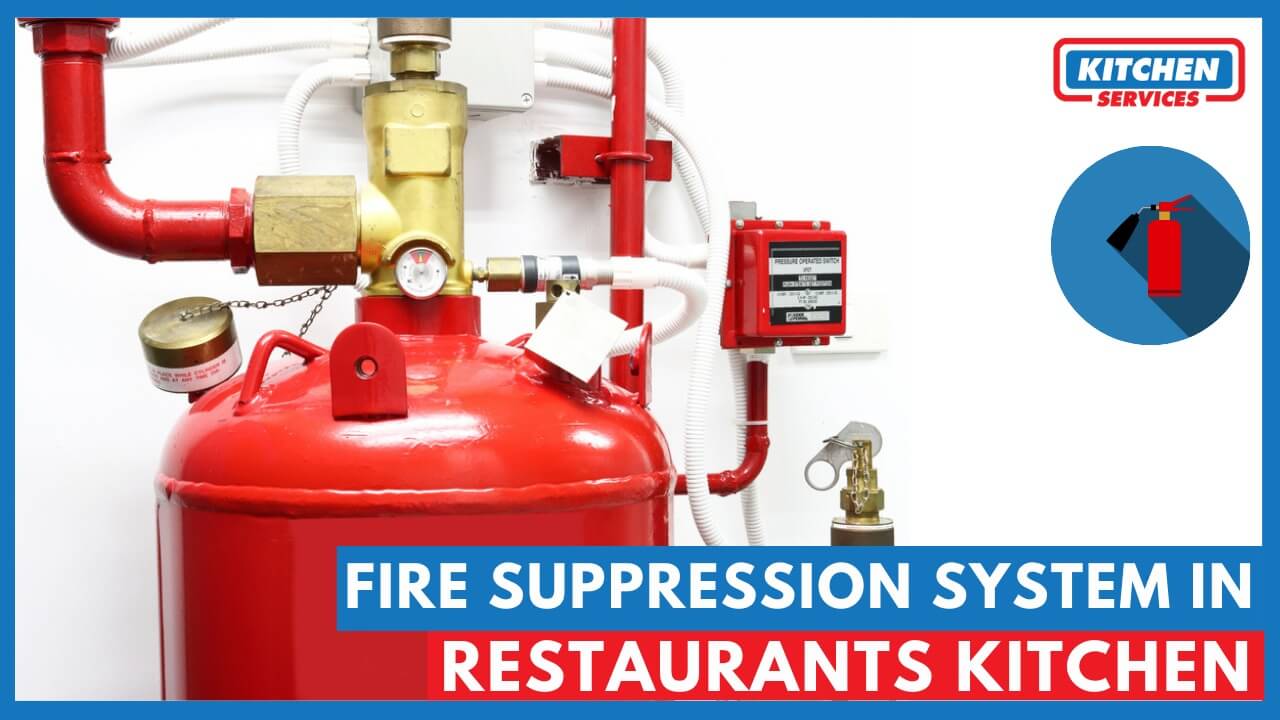
Restaurant kitchens are among the highest fire-risk environments in any commercial building. Open flames, high cooking temperatures, grease-laden vapors, and electrical equipment create conditions where fires can start and spread rapidly. Installing a fire suppression system in a restaurant kitchen is not only a smart safety investment—it is a code requirement designed to protect lives, property, and business continuity.
This comprehensive guide explains how restaurant fire suppression systems work, system types, installation requirements, costs, compliance standards, and best practices to help restaurant owners make informed decisions.
Why Fire Suppression Systems Are Essential in Restaurant Kitchens
Commercial kitchens operate under constant heat and pressure. According to industry data, over half of restaurant fires originate from cooking equipment, making kitchens the most vulnerable area in any food service establishment.
A properly installed restaurant kitchen fire suppression system:
- Detects fires automatically at their source
- Extinguishes grease and oil fires quickly
- Prevents fire from spreading through hoods and ductwork
- Protects staff, customers, and property
- Reduces downtime, insurance claims, and liability
- Ensures compliance with fire safety regulations
While staff training, proper cleaning, and fire extinguishers are critical, they are secondary safeguards. The fire suppression system is your first and most effective line of defense.
How Restaurant Fire Suppression Systems Work
When excessive heat or flames are detected above cooking equipment, the system activates automatically. Specialized nozzles discharge a wet chemical or extinguishing agent that:
- Suppresses flames instantly
- Cools hot surfaces
- Creates a barrier to prevent re‑ignition
- Automatically shuts off gas or electrical supply
These systems are designed specifically for grease fires, which cannot be safely extinguished with water.
Types of Fire Suppression Systems Used in Restaurants
Wet Chemical Fire Suppression Systems (Best for Kitchens)
Wet chemical systems are the industry standard for commercial restaurant kitchens. Installed within hoods and ducts, they are highly effective against grease and oil fires.
Best for: Fryers, grills, ranges, broilers, and woks
Advantages:
- Designed for grease fires
- Minimal damage to equipment
- Meets UL 300 and NFPA 96 standards
Water‑Based Fire Suppression Systems
Water‑based systems such as sprinklers are common in many buildings but not recommended for commercial kitchens.
Limitations:
- Water spreads grease fires
- Can cause extensive water damage
- Unsafe around electrical equipment
Pneumatic Heat Detection Tube Systems
These systems use heat‑sensitive tubing that ruptures when exposed to high temperatures, releasing extinguishing foam.
Best for: Small kitchen setups or enclosed equipment
Advantages:
- Cost‑effective
- Easy to install
- Portable
Limitations:
- Effective only for small fires
Pressurized Gas Fire Suppression Systems
Gas‑based systems suppress fires without reducing oxygen levels, making them ideal for sensitive environments.
Best for: Server rooms and electrical areas
Not typically used in grease‑heavy restaurant kitchens.
Foam Deluge Fire Suppression Systems
Foam deluge systems mix water and foam to smother fires.
Best for: Outdoor hazards, oil storage, transformers
Limitations:
- Creates heavy residue
- Not suitable for indoor kitchens
Commercial Kitchen Hood Fire Suppression Systems
Every commercial restaurant kitchen requires a hood‑mounted fire suppression system. These systems protect:
- Cooking equipment
- Exhaust hoods
- Ductwork
- Roof structures
Though installation costs can be significant, the absence of a hood fire suppression system can lead to:
- Fire code violations
- Business shutdowns
- Severe property damage
- Increased insurance premiums
A compliant system protects both your kitchen and the entire building.
Restaurant Fire Suppression System Installation Services
Professional installation is critical for system effectiveness and compliance. Certified technicians ensure:
- Proper nozzle placement
- Correct system calibration
- Integration with hood and duct systems
- Automatic fuel shutoff connections
- Full compliance with local fire codes
Installation must meet NFPA 96 and UL 300 standards and pass inspection by the local fire authority
How Much Does a Restaurant Kitchen Fire Suppression System Cost?
The cost of a restaurant fire suppression system depends on kitchen size, hood length, and cooking equipment.
Average Cost Breakdown:
- Small kitchens: $2,000 – $3,500
- Medium restaurants: $3,500 – $5,000
- Large commercial kitchens: $5,000 – $6,000+
Average system cost: ~$4,979
Installed cost: Up to $11,391 depending on complexity
Routine inspections and maintenance are additional but essential expenses.
Most Common Fire Hazards in Commercial Kitchens
Fire Code & Compliance Requirements for Restaurant Kitchens
Restaurant fire suppression systems must comply with:
- NFPA 96 – Ventilation and fire protection standards
- UL 300 – Fire testing requirements
- Local fire marshal regulations
Most jurisdictions require:
- Semi‑annual inspections
- System re‑certification after activation
- Regular hood and duct cleaning
Failure to comply can result in fines, closure, or insurance denial.
Best Practices to Prevent Fire Hazards in Commercial Kitchens
Conduct Regular Fire Risk Assessments
Certified professionals identify potential hazards before they become dangerous.
Maintain Proper Equipment Installation
Follow manufacturer guidelines for all cooking appliances.
Install Remote Gas & Power Shutoff Systems
Allows immediate shutdown during emergencies.
Ensure Proper Ventilation & Exhaust Systems
Prevents fire spread through ductwork.
Train Employees Thoroughly
Staff should never leave cooking food unattended and must know emergency procedures.
Keep Firefighting Equipment Accessible
Maintain Class K fire extinguishers and fire blankets at all times.
Secure the Kitchen After Hours
Use shutdown checklists to ensure all equipment is powered off nightly.
Fire Suppression System FAQs
Why fire suppression systems for kitchen hoods are important?
Fire suppression systems for kitchen hoods are crucial because they quickly extinguish grease fires, which are common in commercial kitchens. They minimize fire damage, protect staff and property, and ensure compliance with safety regulations, preventing costly downtime and potential injuries.
Why fire suppression system for restaurant are important?
Fire suppression systems in restaurants are essential for quickly detecting and extinguishing fires, especially in cooking areas. They protect staff, prevent extensive property damage, and ensure compliance with safety regulations, thereby minimizing risks and maintaining operational continuity.
What is kitchen hood fire suppression system?
A kitchen hood fire suppression system is designed to detect and extinguish fires in commercial kitchen hoods. It uses special extinguishing agents to quickly put out flames and prevent fire from spreading, ensuring kitchen safety.
