
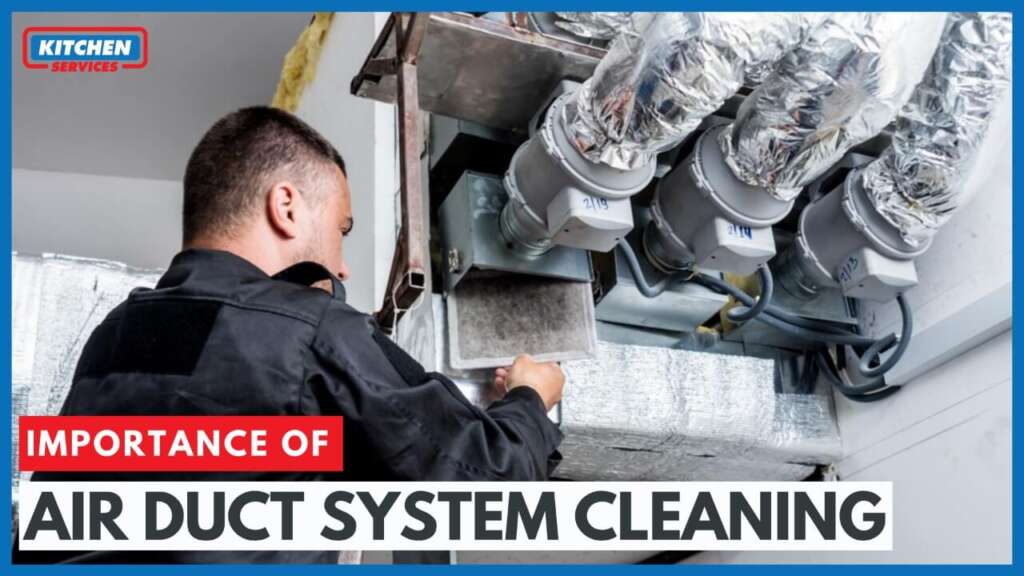
Keep that in mind that a single air duct system cleaning can remove an average of six pounds of dust from your home. With the passing time, these pollutants can build up inside your kitchen ducts which will reduce airflow and re-circulating throughout your kitchen space.
Air ducts always require proper cleaning and maintenance to perform their functions at their best.
What is air duct cleaning?
Air duct cleaning is basically the process of clearing garbage from air ducts, registers, grilles, and all other components of a forced-air system. Just because of the reason that these ducts are hidden behind walls and above ceilings, the only way that is left is to effectively clean them with a high-powered, truck-mounted vacuum and compression system as no other method ensures a complete clean.
Kitchen services would recommend more frequent air duct system cleaning if you were sensitive to indoor air quality. You should also have your ducts cleaned if you have recently remodeled your commercial kitchens, as this will increase the amount of dust in your forced-air system
Importance of Air Duct Cleaning
Improved Indoor Air Quality
Removes dust, mold, allergens, and other debris that would otherwise circulate throughout your home.
Enhanced System Efficiency
Clean coils and ducts improve airflow, helping your HVAC system run more efficiently and potentially lowering energy costs.
Prevents Contaminant Release
Using negative pressure during cleaning ensures that airborne particles are contained and do not escape back into your living space.
Professional vs. DIY Air Duct Cleaning
Professional Cleaning
- Uses specialized, high-powered vacuums to create negative pressure.
- Employs air whips, rotary brushes, and other tools to dislodge and remove stubborn debris.
- Provides a deeper, more thorough clean, recommended every few years or when signs of buildup appear.
DIY Cleaning
- Involves cleaning vent grilles and using a shop vacuum to remove surface dust from accessible duct openings.
- Helps reduce visible dust but does not remove hidden buildup deeper inside ducts.
- Best used as maintenance between professional cleanings, not as a replacement.
How do I know if my air ducts need to be cleaned?
Some of the many reasons that your air ducts need to be cleaned are:
1. You See Dust Coming from Your Air Vents
In case you would like to check if your system needs cleaning, switch your heat or AC off. Wait a few minutes and turn it back on. If you see any dust particles or smell something smokey coming from your vents or in case you see dust, you must arrange a professional cleaning soon. In that case, if you see or smell smoke, do not use your system before a technician can come to look at it. It might be a signal that you have a clogged air duct or there is any mechanical issue with your HVAC unit.
2. If Your Energy Bills Are Going Up
In case you do not feel any major weather changes and still, your bill has gotten much more expensive, it could be an issue with your HVAC system. You must check your utility bill for any new fees or service charges. Not just this but you could have an issue with your air ducts as well. If your ducts are congested with dust, your system will have to work harder to heat or cool your commercial kitchen. In that case, where you notice a change in airflow in a particular area, you could even have a jam in your ductwork.
3. Your House Is Always Dusty
Dust is unavoidable in an indoor environment. After every few weeks or even once a month, you should take out your microfiber cloth or feather duster in order to keep your home looking fresh. But, in that case, when it looks like you are constantly fighting with dust and your cleaning schedule has not changed, consider your ductwork as the main culprit here. There might be more dust that builds up inside the ducts, the more dust that will come out of your vents. It will settle on hard surfaces and make your kitchen even dustier.
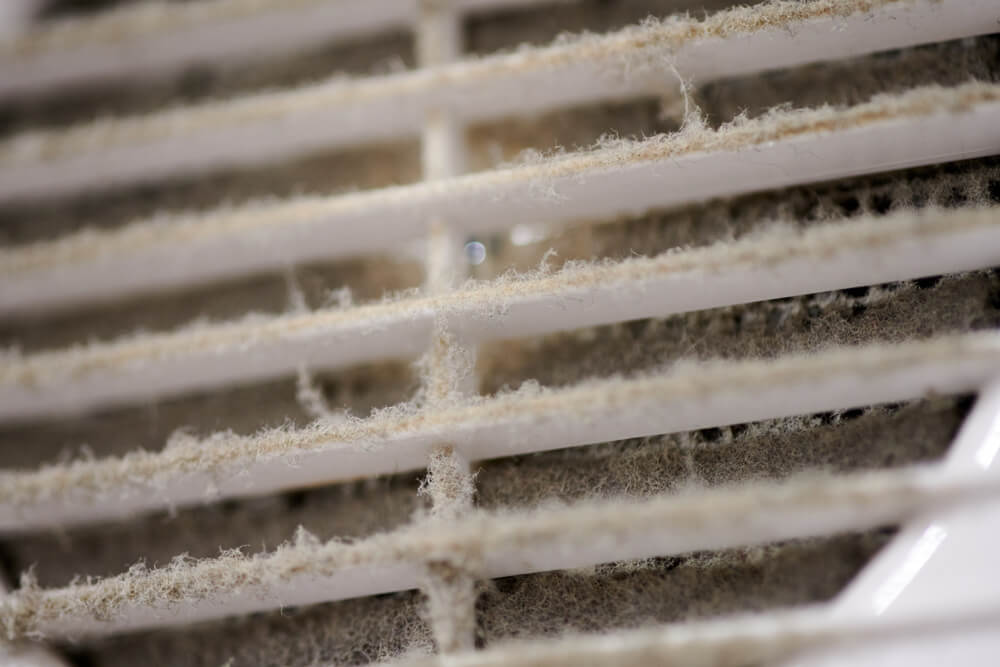
4. Your Vent Grilles Look Dusty
Your vent grilles usually control the direction of airflow in any of your spaces. They also help in covering up the large vent holes in your floors or ceilings. These vent grilles can also be used in order to spot problems with your air ducts. In case you observe a lot of dust on your vent grilles, there is a possible chance that it is coming from inside the duct. You should Walk around your house to check your other vents. In case they all look as dusty as this one you could have a common issue with your ducts. Contact kitchen services HVAC services facility for proper maintenance as soon as you can.
5. You Notice a Musty Smell Throughout Your Home
If you notice an extensive musty scent throughout your commercial kitchen, there are high chances it could be coming from your air ducts. If your AC system can’t keep humidity in check, it can lead to mold growth. Mold and mildew growth can also cause respiratory issues, just like dust can. Plus, if you don’t address it soon, it can keep growing and spread throughout your ductwork. To check for mold yourself, remove the grille cover and get a flashlight. If you see signs of mold, reach out to a technician at kitchen services as we have specialized professionals for your indoor air quality and mold removal.
How to Clean Air Ducts Yourself
Here are do it yourself air duct cleaning equipment you need to complete the task:
- Furnace filter
- Gloves
- Vacuum
- Brush
- Power drill
- Cleaning cloth
- Paper towels
DIY Air Duct Cleaning Tips
- If you want to perform basic cleaning between professional services, here’s a safe process:
- Disconnect screws from duct covers and return-air grill plates.
- Cover supply vents with paper towels to prevent dust spread.
- Set thermostat to “Fan On” to loosen dust inside ducts.
- Tap accessible ductwork with a brush to break up bonded dust.
- Vacuum and brush supply registers to remove buildup.
- Brush and sweep return registers as far back as possible.
- Shut off fan and furnace at the breaker panel.
- Vacuum blower compartment and return air boot.
- Clean furnace fan thoroughly.
- Replace the furnace filter to improve airflow and reduce clogs.
How Professionals Clean Air Ducts?
Step 1: A Thorough Inspection of the Ducts
A competent technician will always start with an inspection of the supply and return registers before beginning the cleaning process. This helps determine the extent of dust and debris build-up, check for leaks, and identify other duct issues that may require repair.
Note: Leaks in the ducts can cause your HVAC system to underperform, so make sure you hire a technician experienced in duct repair and replacement.
Step 2: Use Negative Pressure Vacuum
Creating negative pressure is one of the most effective methods for air duct cleaning, preventing polluted air from entering your home.
Steps in the negative pressure cleaning process:
- Attach the vacuum collection hose to a duct near the air handler.
- Cut a small access hole in the duct, insert the vacuum hose, and seal it tightly.
- Seal all supply registers.
- Turn on the vacuum unit to create negative pressure.
We recommend shutting all air supply registers to enhance negative pressure. Cleaning is then performed one duct at a time, covering both supply and return sides.
Step 3: Agitate the Dust
Strong suction alone isn’t enough—dust that has settled or bonded to duct surfaces must be loosened.
Your technician will use:
- Rotating brushes
- Air whipping tools
These tools stir up settled dust, making it easier to vacuum away. Both supply ducts and return vents will be thoroughly cleaned, along with the main trunk lines for maximum efficiency.
Step 4: Clean the HVAC System & Furnace
Once ducts and vents are clean, the HVAC system itself must be cleaned. According to NADCA (National Air Duct Cleaning Association) guidelines, the following components should be addressed:
- Blower motor
- Drain pan
- Evaporator coil
Cleaning these areas ensures improved indoor air quality and system performance. A professional technician should also leave your home tidy, with no extra dust left behind.
A good contractor may even walk you through the results so you can see the quality of their work.
What are the two main types of duct-cleaning equipment being used?
Respectable duct cleaning companies typically rely on two well-recognized systems for cleaning your ductwork: the Rotary Brush System and the Push/Pull Vacuum System. While both are effective at removing dirt and debris, they operate quite differently. These two methods are widely regarded as the industry standard for professional duct cleaning.
At Kitchen Services, we believe in educating our customers about the tools and techniques we use. Air duct cleaning machines play a crucial role in delivering high-quality service, and while there are many types available, we often use a combination of specialized equipment to ensure every home receives the best possible results. When you schedule an air duct cleaning with us, you may see one or more of the following machines in action:
1. Negative Air Machines
Negative air machines are designed to remove pollutants from a controlled area and expel them safely outside. They work by creating a vacuum effect that pulls contaminated air through a series of ducts and filters before releasing clean air away from the home.
Many people confuse negative air machines with air scrubbers. The difference lies in the duct system—air scrubbers don’t have one, but when ducts are added, they function as a negative air machine.
These machines often use multiple filters along with a blower system to capture contaminants. For example, in a home with elevated carbon monoxide levels, a negative air machine can remove the toxic air and push it outside, ensuring it doesn’t re-enter the building.
2. Industrial Vacuum with Motorized Brush
Another powerful tool is the industrial vacuum paired with a motorized brush attachment. This is one of the most commonly used systems in residential duct cleaning because it combines mechanical brushing with strong suction.
- The motorized brush, spinning at around 450 RPM, scrubs dust, dirt, and other pollutants from the duct surfaces.
- At the same time, the industrial vacuum immediately removes the loosened debris.
This dual-action approach makes the process faster, more thorough, and highly efficient, removing large quantities of buildup in a single pass. Homeowners appreciate this method because it ensures a deeper clean and better indoor air quality, all while saving time.
Air Duct System Cleaning FAQs
Is duct cleaning a waste of money?
It’s absolutely not a waste of money, as long as it’s not performed too frequently. Homeowners usually only need to consider air duct cleaning when visible signs of dust buildup are present, if they’ve noticed a change in respiratory or allergy symptoms, or if it’s been several years since the last duct cleaning.
Can air duct cleaning cause damage?
Provided that the cleaning is done properly, no evidence suggests that such cleaning would be detrimental. EPA does not recommend that the air ducts be cleaned routinely, but only as needed.
What is the best air duct cleaning method?
Negative pressure is arguably the best way to clean an air duct because it prevents fly-away debris from going into the air and the antimicrobial spray prevents further build up. This method is what we use at Superior Air Duct Cleaning because it is thorough and removes as many contaminants as possible
What time of the year is best for duct cleaning?
Spring. Air duct cleaning is best done in the spring. It’s a great way to ensure you and your family don’t breathe in microscopic dust, mould and even mouse droppings.
Does cleaning your air ducts help airflow?
Yes — if your ducts are clogged with dust, debris, or even mold buildup, cleaning them can improve airflow. Restricted ducts make your HVAC system work harder to push air, which reduces comfort and efficiency. However, if your ducts are already clean and clear, you may not notice much difference.
Is furnace duct cleaning necessary?
Not always. Furnace or air duct cleaning isn’t something you need every year, but it can be necessary if:
- You notice visible dust, mold, or debris inside vents.
- There’s a musty or burning smell when your system runs.
- You’ve had recent renovations or construction (dust often gets into ducts).
- You see pests, insects, or rodent droppings inside.
Otherwise, regular filter changes and routine HVAC maintenance usually keep the system clean enough.
Are there any health benefits that come from air duct system cleaning?
Potentially, yes. Cleaning ducts may reduce allergens like dust, mold spores, pet dander, and pollen that circulate through your home. This can especially help:
- People with allergies or asthma.
- Homes with pets that shed hair/dander.
- Households where occupants smoke indoors.
That said, research shows air duct cleaning isn’t a “cure-all” for health issues — but it can contribute to better indoor air quality when buildup is significant.
How can I determine if the air duct system cleaning was effective?
You should check for:
- Visual inspection – Look inside supply and return vents; they should look visibly clean.
- Air filter check – If it clogs up quickly after cleaning, the job may not have been thorough.
- Airflow consistency – Rooms should feel more evenly heated/cooled.
- Dust levels – You should notice less dust settling around the house after a proper cleaning.
Some reputable companies also provide before-and-after photos or video inspections for proof.
Will air duct system cleaning reduce our energy bills?
It can — but only if your ducts were dirty enough to restrict airflow. By clearing blockages, your HVAC system won’t work as hard, which may lower energy use. However, the savings are usually modest compared to bigger efficiency upgrades (like sealing duct leaks, upgrading insulation, or replacing an old system).
