
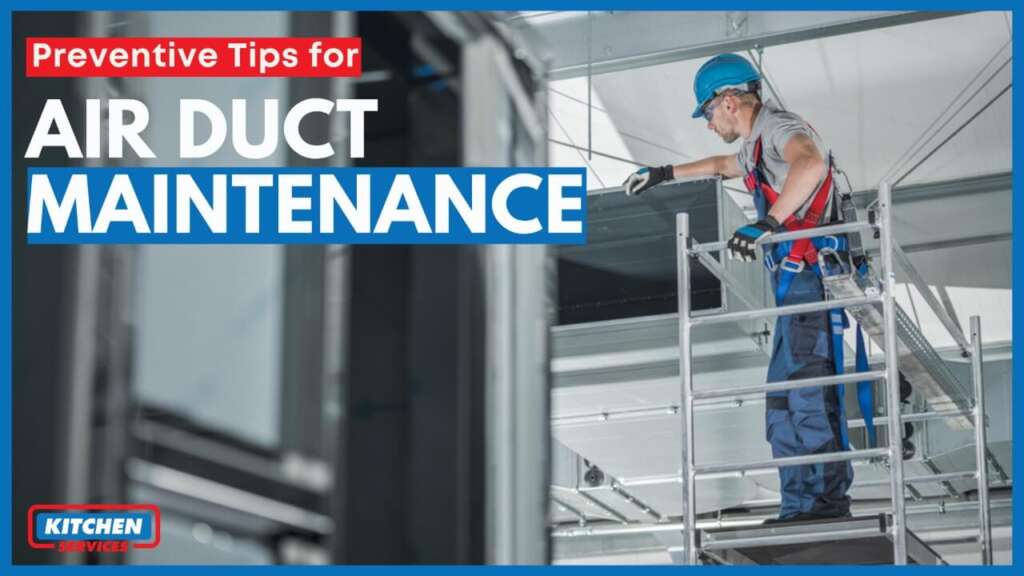
Like any other HVAC system, your entire ductwork can also get damaged over its functioning life, so air duct maintenance is important. Any of the joints and seals can become loose as well as vibrations from the HVAC system can extricate ductwork with the passing time. Another factor is the dust and other debris that can also be blown into the ducts, and any sort of accident can damage or deform them as well.
Looking to make sure your air ducts are in good working order? Here are few tips for air duct maintenance.
What is Duct Maintenance?
Duct maintenance refers to the regular inspection, cleaning, and upkeep of air ducts to ensure efficient airflow, improved indoor air quality, and optimal HVAC system performance.
Duct cleaning is a key part of duct maintenance and generally involves the cleaning of various heating and cooling system components of forced air systems, including:
- Supply and return air ducts
- Registers, grilles, and diffusers
- Heat exchangers
- Heating and cooling coils
- Condensate drain pans (drip pans)
- Fan motor and fan housing
- Air handling unit housing
Duct maintenance helps reduce dust, allergens, and contaminants, improves energy efficiency, and extends the life of your HVAC system.
Tips for Air Duct Maintenance
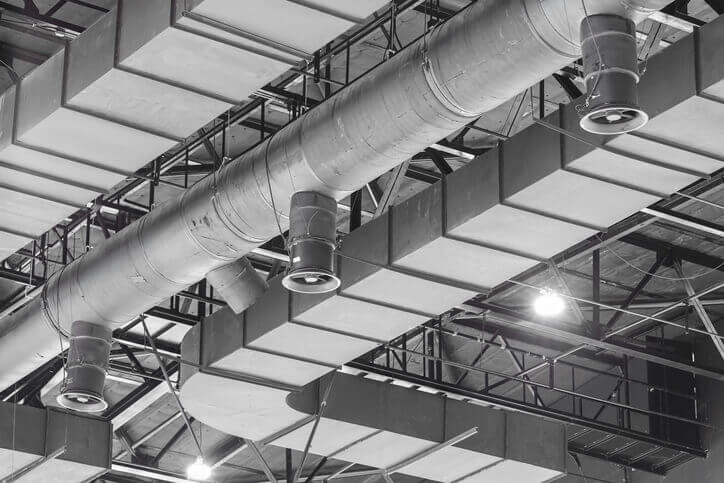
Proper air duct maintenance is essential for maintaining HVAC efficiency, reducing energy costs, and ensuring clean, safe air circulation. Here are some preventive responsibilities and best practices you should follow:
1. Seal Air Leaks
- Cover or seal any leaks in the duct system to prevent energy loss.
- Commercial kitchens can lose 10–30% of conditioned air due to leaks, which wastes energy and reduces efficiency.
2. Keep Vents Unobstructed
- Ensure supply and return vents are not blocked by furniture, equipment, or fixtures.
- Blockages disrupt airflow, increase pressure, and may even cause HVAC fan motor failure.
3. Insulate and Segregate Ductwork
- Even if ducts are inside the thermal envelope, proper insulation helps maintain air temperature until it reaches intended areas.
- Segregated ductwork ensures efficient distribution of air.
4. Hire Certified Professionals
- Schedule regular inspections and cleaning by certified air duct professionals.
- Professionals can identify blockages (like dislodged filters) that may lead to performance issues or even fire hazards.
5. Install UV Lights
- UV lights sterilize air inside ducts by destroying bacteria, mold, and fungal spores.
- This helps maintain indoor air quality and prevents microbial buildup in humid areas.
6. Test the Duct System Regularly
- Have HVAC professionals test duct pressure and airflow.
- Regular testing helps detect leaks, inefficiencies, and areas that need design improvements.
7. Don’t Close Vents to Cut Costs
- Closing vents in commercial kitchens can increase system pressure and strain equipment.
- For room-by-room control, consider zoning systems instead of blocking vents.
8. Change Air Filters Frequently
- Replace air filters every 1–3 months (or as recommended) to maintain airflow and indoor air quality.
- Upgrading to high-efficiency filters can further improve performance.
9. Clean Vents and Ducts
- Clean vents, vent covers, and ducts regularly to prevent dust buildup.
- Vacuum around vents and use professional duct cleaning services when necessary.
10. Control Humidity
- Excess moisture in ducts can encourage mold and bacteria growth.
- Keep ducts dry and consider a dehumidifier if your kitchen environment is prone to high humidity.
11. Maintain General Cleanliness
- Dust and vacuum surrounding areas often.
- Groom pets regularly to minimize hair and dander from entering the ducts.
12. Construction & Renovation Precautions
- Seal supply ducts during construction to prevent dust, dirt, and debris from entering the system.
- Always turn off the HVAC system when performing heavy cleaning or renovation work.
How to Prevent Duct Contamination
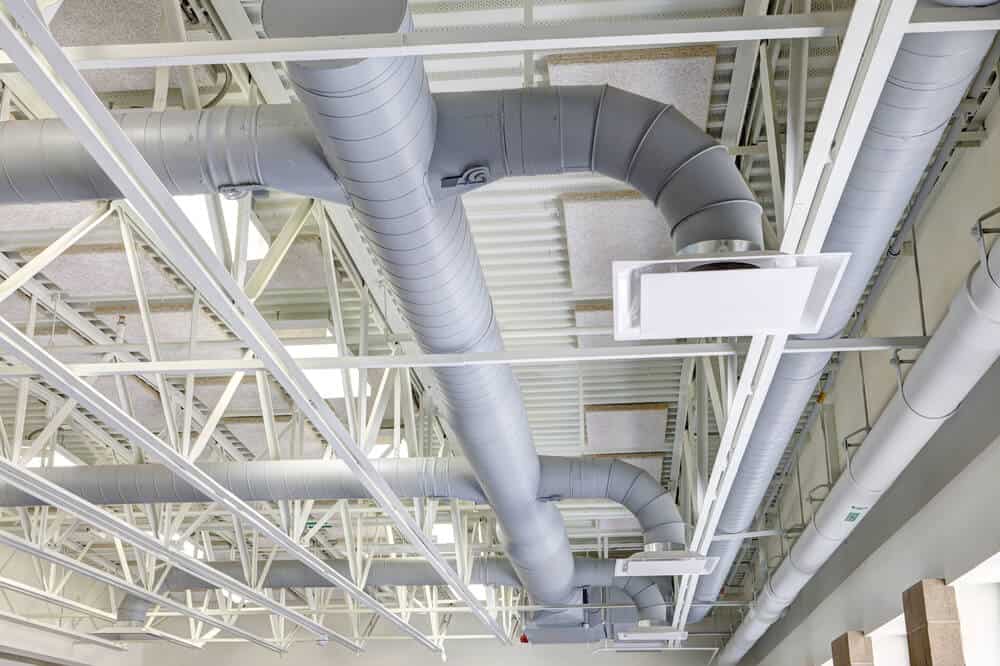
Your ductwork plays a very crucial role when it comes to the indoor air quality of your commercial kitchens. In case your kitchen’s ducts become polluted with dust, dirt, or even mold, there are high chances that it can totally affect the overall running of your HVAC system. Whereas air duct maintenance will put off a lot of problems down the line which may cost you a lot of time and money. So by making sure that your ducts are clean and dirt-free will keep your air quality on the right track.
Try to Follow All the Ways That Are Advised by The Company
Most of the air quality systems are different from each other that typically means that different procedures should be taken for its maintenance. If you are not really sure on what to do about this, you can always talk to any professional or even you can refer to the advised guidelines that are suited to your specific HVAC system and ductwork. In case you try and maintain it yourself, and do not have the knowledge, there are high chances that it would end up costing you a lot more than it had to in the first place.
Clean Ducts Frequently
In case you notice a build-up of dirt, dust, or rubble on your ducts, try to clean them as soon as you can. If you dust and clean your ducts frequently, it can really avoid major build-up down the line. All you have to do is to simply take a damp cloth or any sort of a duster to the ducts and softly remove what is stuck in there. If you feel that your ducts are too dirty and require a professional to assist you with air duct system cleaning, this can be arranged through Kitchen Services.
Also read: Guidelines for Commercial Kitchen Exhaust Grease Duct Cleaning
Call Kitchen Services
If you would like to find out more about how to maintain your ductwork, get in touch with us at Kitchen Services. Our team of professionals is on hand to help you with your air duct maintenance.
Air Duct maintenance FAQs
Does Air Duct Cleaning make a mess?
So the direct answer to this question would be a simple No, it won’t. If you hire a professional company to clean your air ducts, such as Kitchen Services, your place will be clean and tidy when they’re done.
Is duct cleaning necessary?
Well, EPA does not advise that the air ducts be cleaned consistently, but they should be cleaned when it is needed. EPA does, however, recommend that if you have a fuel-burning furnace, stove, or fireplace, they be inspected for proper functioning and serviced before each heating season to protect against carbon monoxide poisoning
How do I know if my air ducts need to be cleaned?
If you see dust and dirt both inside and outside, especially by the vents that blow cool air out — your ducts most likely need to be cleaned. To prevent future dust buildup, make sure you replace your HVAC system air filters frequently. You can also run an air purifier.
What is the best method to clean ducts?
Point of contact methods are currently the safest and most effective air duct cleaning method. A point of contact air duct cleaning method utilizes a portable HEPA filtered vacuum and an agitation device to simultaneously to clean the air ducts
How do air ducts get damaged?
Presence of dirt, dust and biological contaminants in your ducts may lower the quality of your indoor air. They may trigger asthma attacks, allergies and other respiratory illnesses. They also weaken the structure of the ductwork system, leading to damages.
How to maintain ductwork?
To maintain ductwork, regularly replace air filters, keep vents unblocked, clean vent covers, and schedule professional inspections at least once a year. Also, seal any leaks, control humidity levels, and ensure ducts remain dry to prevent mold growth. Periodic vacuuming around vents and using high-efficiency filters can further improve performance and air quality.
How can I make my air ducts more efficient?
You can make your air ducts more efficient by sealing leaks, insulating ducts (especially those outside the thermal envelope), and keeping them clean from dust and debris. Installing UV lights helps prevent microbial buildup, while upgrading to energy-efficient filters improves airflow and air quality. Regular duct testing by HVAC professionals ensures the system runs at peak efficiency.
What are the signs my air ducts need maintenance?
Look out for musty odors, visible dust around vents, uneven airflow, increased energy bills, or unexplained allergy and respiratory issues. These are clear indicators your ducts may need attention.
Can dirty air ducts affect indoor air quality?
Yes. Dust, pollen, mold spores, and other contaminants trapped in ductwork can circulate through the HVAC system, negatively impacting indoor air quality and health.
