
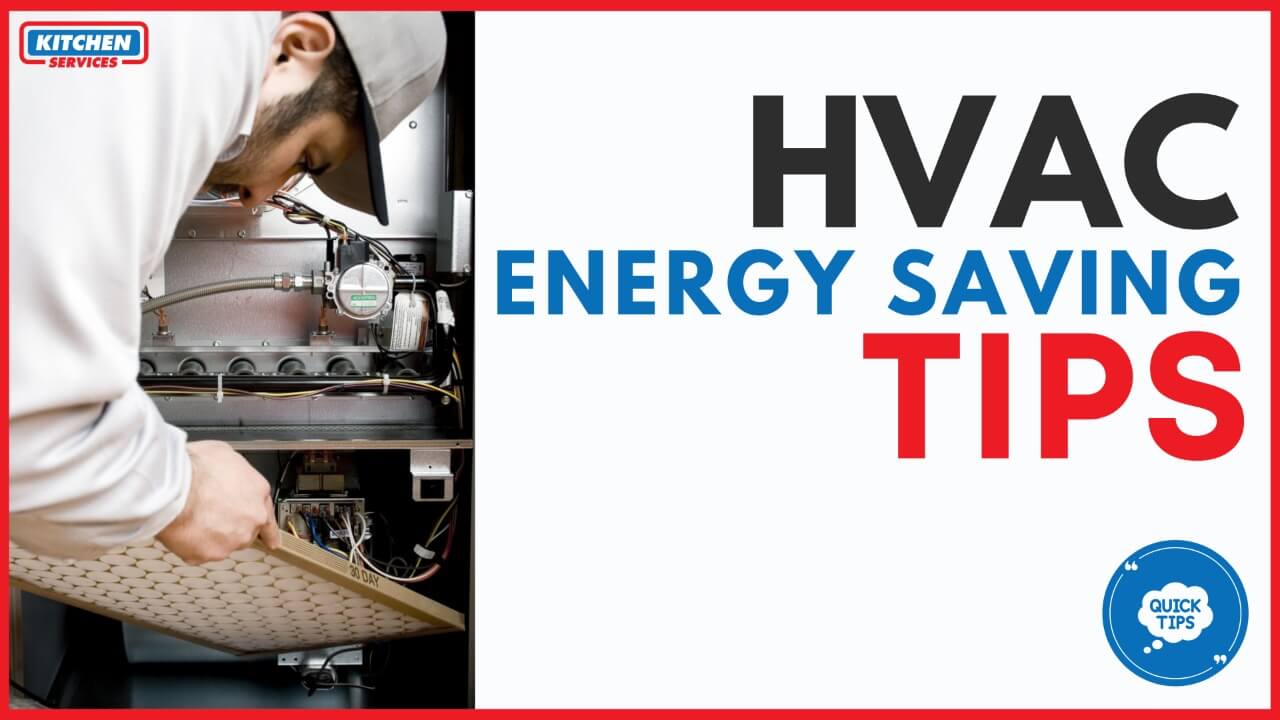
In the restaurant industry, HVAC systems are one of the largest operating expenses, often accounting for 35–45% of total energy usage. From high heat in commercial kitchens to extended operating hours, inefficient HVAC systems can significantly increase utility bills and strain equipment.
This guide shares proven HVAC energy saving tips for restaurants that help lower energy costs, improve indoor comfort, maintain health code compliance, and extend system lifespan—all without disrupting daily operations.
Why HVAC Energy Efficiency Matters for Restaurants
Restaurants face unique HVAC challenges that residential buildings do not:
- Continuous cooking heat and grease
- High ventilation demands
- Long operating hours
- Strict indoor air quality and safety regulations
An inefficient HVAC system leads to:
- Rising energy bills
- Uncomfortable dining environments
- Overworked equipment
- Poor air quality
- Increased maintenance and repair costs
Implementing HVAC energy saving tips designed specifically for restaurants can reduce energy consumption by up to 30% annually.
HVAC Energy Saving Tips for Restaurants
1. Schedule Regular HVAC Maintenance (Non-Negotiable)
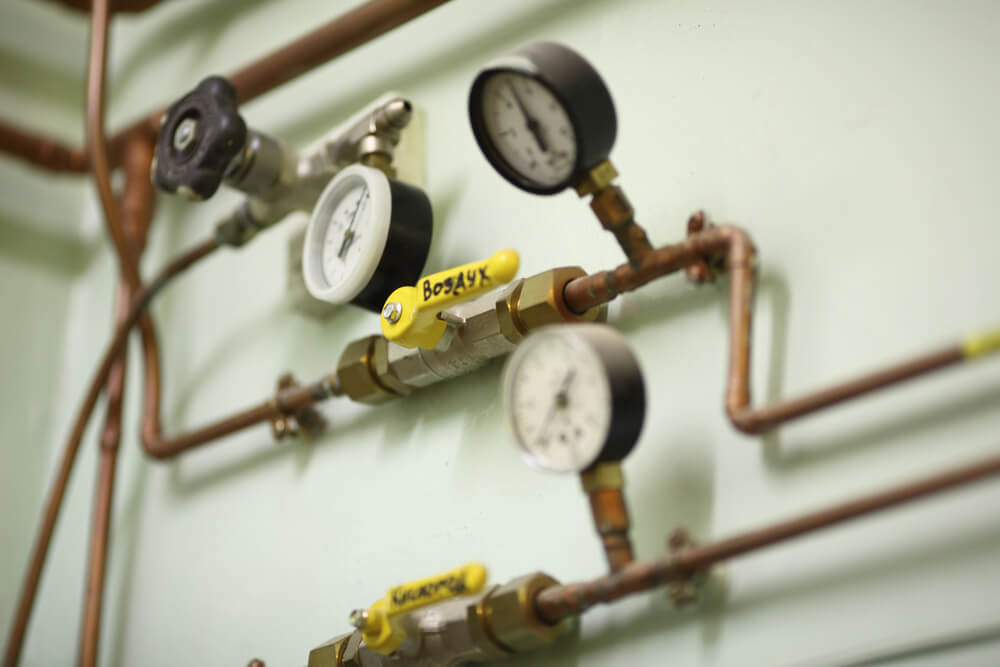
Routine maintenance is the foundation of HVAC energy efficiency in restaurants.
Best practices:
- Clean evaporator and condenser coils regularly to improve heat transfer
- Replace air filters every 30–60 days due to grease and airborne particles
- Inspect belts, motors, and fans for wear
- Schedule bi-annual professional HVAC tune-ups
Proper maintenance alone can improve HVAC efficiency by 10–15%.
2. Optimize Kitchen Exhaust and Make-Up Air Systems
Restaurant kitchens rely heavily on exhaust hoods, which directly affect HVAC performance.
Energy-saving strategies:
- Balance exhaust and make-up air systems
- Install demand control kitchen ventilation (DCKV) to adjust airflow based on cooking activity
- Ensure hood systems are properly sized—not oversized
Unbalanced ventilation systems force HVAC units to work harder, increasing energy usage.
3. Upgrade to Energy-Efficient Commercial HVAC Equipment
Older systems cost more to operate and maintain.
Smart upgrade options include:
- ENERGY STAR® commercial HVAC units
- Variable-speed compressors and fans
- High SEER, EER, and IEER-rated equipment
- High-efficiency rooftop units (RTUs)
Although upgrades require upfront investment, most restaurants see ROI within 2–4 years through energy savings.
4. Use Smart Thermostats and Automation Controls
Smart HVAC controls are essential for modern restaurants.
How they save energy:
- Automatically adjust temperatures during off-hours
- Prevent overcooling or overheating
- Allow remote monitoring and adjustments
- Reduce energy waste during prep or closing hours
Restaurants using programmable thermostats save up to 10% annually on HVAC costs.
5. Seal Ductwork and Improve Insulation
Leaky ducts are a hidden energy drain in many restaurants.
Key improvements:
- Seal duct leaks to prevent air loss
- Insulate rooftop ductwork exposed to extreme temperatures
- Improve insulation in ceilings, walls, and storage areas
Sealed duct systems can improve airflow efficiency by up to 30%.
6. Implement HVAC Zoning for Dining, Kitchen & Storage Areas
Not all areas of a restaurant require the same temperature control.
Zoning benefits:
- Separate temperature control for kitchen, dining, offices, and storage
- Reduced energy usage in unoccupied zones
- Improved guest comfort
Zoning is one of the most effective HVAC energy saving tips for restaurants with large floor plans.
7. Reduce Heat Gain with Window Treatments & Solar Control
Sun exposure can dramatically increase cooling demand.
Energy-saving solutions:
- Install solar window films or reflective coatings
- Use blinds or shades during peak sunlight hours
- Keep doors closed to prevent conditioned air loss
These simple changes can reduce HVAC cooling loads by 5–10%.
8. Improve Staff HVAC Awareness & Habits
Human behavior impacts HVAC efficiency more than most restaurant owners realize.
Encourage staff to:
- Keep kitchen doors closed
- Report unusual temperature changes
- Avoid adjusting thermostats unnecessarily
- Use exhaust fans only when required
Small behavioral changes lead to consistent long-term savings.
9. Monitor Energy Usage & Schedule HVAC Energy Audits
Tracking energy use helps identify inefficiencies before they become costly problems.
Recommended steps:
- Install smart energy meters
- Compare monthly utility bills
- Conduct professional HVAC energy audits annually
Audits often uncover quick-fix inefficiencies that reduce costs immediately.
10. Properly Size Your Restaurant HVAC System
Oversized HVAC systems cycle on and off frequently, wasting energy and shortening equipment life.
Avoid common mistakes:
- Don’t size HVAC systems based on guesswork
- Account for kitchen heat loads and ventilation
- Update load calculations when remodeling or expanding
A properly sized system operates more efficiently and maintains stable indoor temperatures.
How Much Can HVAC Energy Saving Tips Reduce Restaurant Costs?
Restaurants that implement HVAC energy efficiency strategies typically save:
- 10–15% with proper maintenance
- 15–20% with insulation and duct sealing
- 25–30% with equipment upgrades and automation
Over a year, this can mean thousands of dollars in operational savings.
Expert HVAC Tip for Restaurant Owners
HVAC professionals recommend prioritizing ventilation optimization before upgrading equipment.
Balancing exhaust, make-up air, and HVAC systems often delivers faster energy savings than replacing units alone.
Conclusion: Smarter HVAC Strategies for Profitable Restaurants
Implementing HVAC energy saving tips for restaurants is not just about reducing utility bills—it’s about improving comfort, maintaining compliance, and protecting long-term profitability.
By investing in proper maintenance, smart controls, efficient equipment, and staff awareness, restaurant owners can dramatically reduce HVAC energy consumption while creating a better environment for guests and employees alike.
FAQs: HVAC Energy Saving Tips for Restaurants
Q: How often should restaurant HVAC systems be serviced?
A: Restaurant HVAC systems should be serviced at least twice a year, with more frequent filter changes due to grease and heat.
Q: Do smart thermostats work in commercial kitchens?
A: Yes. Smart thermostats and automation systems help restaurants control temperatures during off-hours and reduce unnecessary energy usage.
Q: What is the biggest HVAC energy waste in restaurants?
A: Poor ventilation balance, dirty filters, and oversized HVAC systems are the most common causes of energy waste.
Q: Can HVAC upgrades really lower restaurant energy bills?
A: Yes. ENERGY STAR® HVAC upgrades can reduce energy consumption by up to 30% compared to older systems.
