
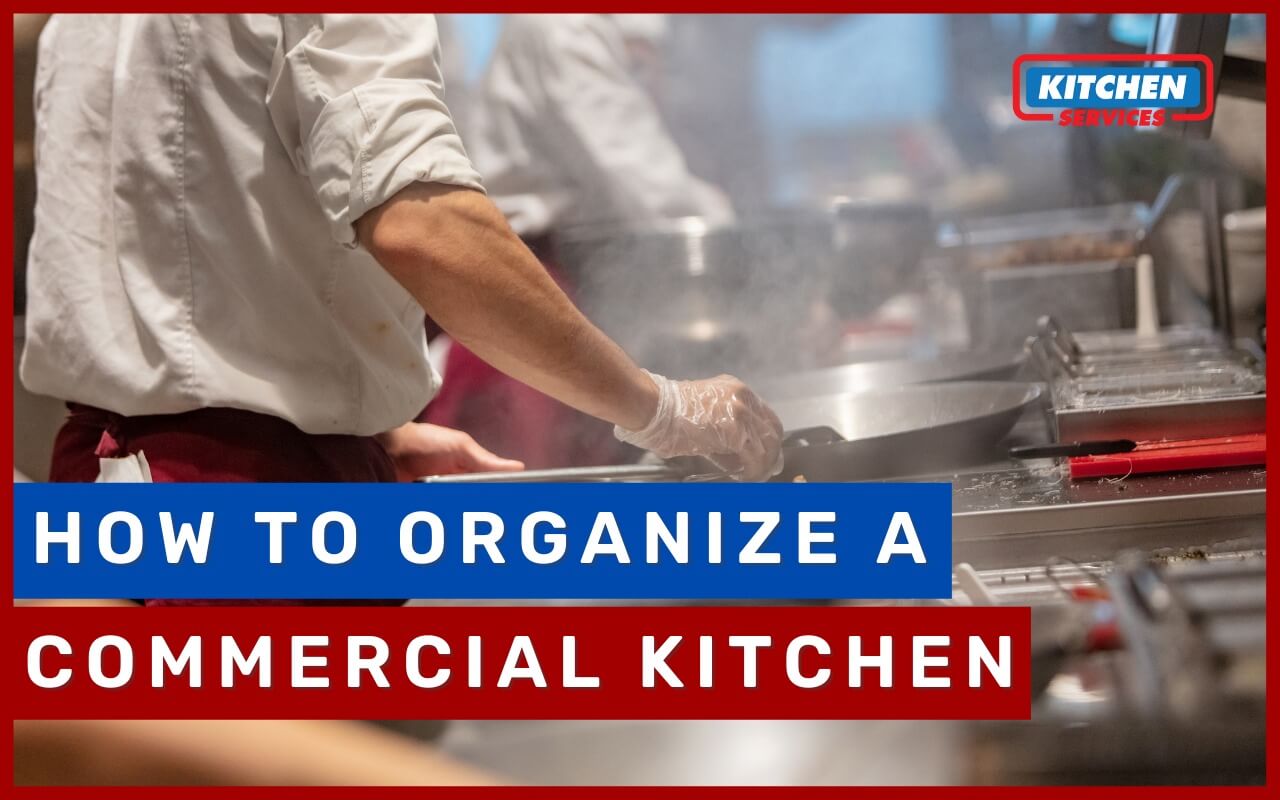
There’s no room for chaos in a commercial kitchen. Whether you’re running a high-volume restaurant or a cozy corner café, maintaining an organized kitchen is essential for smooth operations, quality food, and a safe working environment.
An unorganized kitchen can quickly lead to poor food quality, frustrated staff, unhappy customers and even workplace accidents. That’s why professional kitchen organization should be a top priority for every foodservice business.
No matter the size of your establishment, your kitchen is the heart of your operation and often, one of your biggest investments. To protect that investment and get the most out of it, your kitchen should be cleaned regularly, your equipment maintained properly, and your space organized logically and efficiently.
So, where should you begin? Luckily, we’ve put together a few fundamental restaurant kitchen organization ideas to get you started. Let’s see how to organize a commercial kitchen.
If you are starting a restaurant or commercial kitchen in Los Angeles and around, we at Kitchen Services can do a perfect Kitchen Hood Installation for your kitchen. Not only that, we also provide commercial hood cleaning and repair. Besides cleaning and repair, we offer, Kitchen exhaust maintenance services for your commercial kitchen setup.
How Do You Organize a Restaurant Kitchen?

Learning how to organize a restaurant kitchen especially how to organize a small commercial kitchen is one of the most important steps toward running a safe, clean, and efficient foodservice business. A well-organized kitchen not only reduces the risk of workplace accidents but also improves food safety, speeds up service, and increases productivity.
Whether you’re starting from scratch with a new kitchen set up commercial project or you’re trying to improve your existing workflow, the following tips will help you manage and streamline your restaurant’s operations like a pro.
1. Hang Frequently Used Items Within Reach
In most small commercial kitchen setups, space is limited. That’s why every square inch must be maximized. One of the most effective restaurant organization ideas is to hang frequently used items—like pots, pans, and utensils—on walls or racks near the cooking area.
Not only does this save time during food preparation, but it also frees up valuable commercial kitchen storage and counter space. Hanging storage is a must-have for any efficient commercial kitchen small layout.
2. Create Designated Kitchen Zones
When learning how to manage a restaurant kitchen, zoning is essential. Allocate specific areas for prep work, cooking, cleaning, and storage. This allows your kitchen staff to work without bumping into each other and ensures every team member knows where to go and what tools are available in their zone.
Even in a small commercial kitchen, you can set up simplified versions of traditional zones such as stations for cold prep, hot prep, and plating. This creates a more organized and controlled kitchen environment.
3. Switch to Open Shelving Units
Say goodbye to bulky, closed cabinets. Open shelving or metro racks is a smart way to streamline your commercial kitchen install and make everything easily accessible.
Open shelving:
- Allows you to instantly spot ingredients and tools
- Simplifies restocking and inventory management
- Is easier to clean and maintain
- Reduces clutter and time spent searching for items
This is especially helpful in small commercial kitchen environments, where maximizing every bit of space is crucial.
4. Use Walk-In Refrigeration for Efficient Storage
Even if you’re working with a small commercial kitchen setup, investing in a walk-in refrigeration unit can dramatically improve storage. These units provide ample space to organize perishable items using the same zoning strategies and FIFO (First In, First Out) inventory method used in dry storage.
When considering a commercial kitchen install, make sure your walk-in fridge layout allows for airflow, clear labeling, and easy access to older items first.
5. Practice the First In, First Out (FIFO) Method
To reduce food waste and avoid expired products, always follow the First In, First Out method. Place newly delivered or prepared ingredients behind older ones so that older products are used first. This method works best when all staff are trained to:
- Restock items from the back
- Always return ingredients to their original place
- Label and date all containers properly
Following this approach will significantly improve your restaurant’s food safety standards and bottom line.
6. Label All Food and Ingredient Containers
When organizing a small commercial kitchen, proper labeling is essential. Label all dry goods, refrigerated items, and frozen ingredients with:
- Product name
- Date of delivery or preparation
- Expiry or “best before” date
This simple step reduces errors, saves time, and prevents waste. Use food-safe labels and waterproof markers for clarity and durability.
7. Use a Variety of Storage Containers
A well-organized commercial kitchen small setup requires multiple types of storage containers:
- Large plastic bins for bulk dry goods (beans, flour, rice)
- Square deli containers to save space
- Round containers for soups and sauces
- Glass jars for airtight dry ingredient storage
Make sure all containers are labeled and appropriately sized for your storage needs.
8. Optimize Your Prep Area for Efficiency
To run a small restaurant kitchen smoothly, focus on organizing your prep stations. Assign separate areas for meat, veggies, and allergens to avoid cross-contamination.
Keep prep tools, mixing bowls, ingredients, and cutting boards within arm’s reach. Store sauces, dressings, and frequently used items in labeled clear containers for easy identification.
9. Clean as You Go
One of the most overlooked but crucial tips when learning how to manage a restaurant kitchen is to clean continuously throughout the day. Encourage your staff to:
- Wipe down surfaces after each task
- Put tools and ingredients back immediately
- Sweep and sanitize regularly
A clean kitchen is safer, more efficient, and easier to close at the end of the day.
10. Take Daily Inventory
At the end of each shift, take inventory of ingredients and supplies. Organize your shelves using the FIFO method and check that everything is in its designated spot. Doing this daily helps you:
- Keep your storage areas tidy and efficient
- Avoid spoilage and over-ordering
- Identify missing items before they cause problems
Read our full guide on How to organize a Commercial Freezer
Storage area in a Restaurant Kitchen
The storage area in your restaurant kitchen is divided into dry storage and storage for easily perishable goods. Here we have listed the best commercial kitchen storage ideas for you;
- Dry storage
Dry storage is located next to your main kitchen area. As the name suggests it has to be dry, cold, and dark as well as facing North. All the food is kept in its original packaging that has to be assorted on the shelves, in wooden crates, or closed closets.
- Storage for easily perishable good
Storage for easily perishable goods has to be located close to the preparation area. All the goods are kept in large refrigerators at low temperatures, 4-5 days the most. Meat, fish, and vegetables can be kept in freezers for an extended period.
- Preparation area
As we know every large kitchen has a separate room for either meat preparation or any other task. It has to be separate from the fish preparation area and also it has to be close to the cooking area. It must have all the essential tools and appliances. The fruit and vegetable preparation area must also be properly equipped and separate from the other two.
How to Organize Restaurant Supplies?
Organizing restaurant supplies might seem like a no-brainer most kitchens already use shelves in one form or another. But if you want to take your commercial kitchen organization to the next level, it’s worth rethinking how you use shelving. Shelves aren’t just for storage—they can be a powerful tool to create a cleaner, more efficient kitchen environment.
When people think of shelving, they typically picture floor units and wire racks. These are the staples of professional kitchen organization, and for good reason. They’re versatile and can be used anywhere—from your main kitchen area and walk-in coolers to the front of the house. Quality shelving is the backbone of any solid restaurant kitchen organization strategy.
But don’t stop there. There are other types of shelving that can dramatically improve how your kitchen runs. For example, wall-mounted shelves can free up valuable counter space by utilizing unused wall areas. Installing shelves over refrigerated prep tables is another smart move—these provide quick, convenient access to supplies and make use of space that would otherwise be wasted.
Mobile shelves are another great option. Shelving on casters offers the flexibility to move storage wherever it’s needed. Whether you’re rearranging for a big delivery or a deep clean, being able to move your storage units with ease can boost efficiency and reduce downtime.
Organize Your Organization
No matter what type of shelving you choose, there are always simple yet powerful restaurant kitchen organization ideas you can implement to make the most of them. Group similar items together in clearly defined zones. This helps staff quickly find what they need and keeps workflow smooth.
However, even the best organizational systems can fall apart over time. That’s where shelf labels and tags come in. Labeling your shelves not only guides current staff but also helps new employees understand what goes where—and just as importantly, what doesn’t.
Storage bins are another valuable tool. They’re ideal for holding less frequently used items while still keeping everything within reach. When paired with labeled shelving, bins can help maintain order and reduce clutter in your professional kitchen organization setup.
By combining strategic shelving types with smart organization practices, you can transform your space and improve productivity across the board. Whether you run a busy restaurant, a catering operation, or a fast-casual kitchen, these restaurant kitchen organization ideas can help streamline your workflow and keep your kitchen running like a well-oiled machine.
Helpful for you: How To Keep Your Commercial Kitchen Clean
Commercial Kitchen Organization FAQs
How to set up a commercial kitchen?
- Install Refrigeration.
- Install Storage.
- Install Cooking Equipment.
- Buy Food Preparation Stations and Small Wares.
- Install Fire, Safety and Sanitation Equipment.
How to organize a kitchen for efficiency?
Organizing a kitchen is somewhat a matter of personal preferences, but these tips can help you get the job done more efficiently
- Create Designated Workspaces in the Kitchen
- Put Frequently Used Items in Close Reach
- Use Racks and Bins in Your Cabinets and Drawers
What are the 4 guidelines for organizing a kitchen?
- Store things where you use them.
- Group like items together – store all bakeware in the same cupboard, all wooden spoons in the same ceramic crock, all spices in the same drawer.
- Store your most frequently used items in the most accessible places.
- Declutter yearly.
What are Some Solutions for Efficient Commercial Kitchen Layouts?
Designing the right commercial kitchen layout is essential for smooth operations, whether you’re setting up a restaurant kitchen layout, planning a small commercial kitchen design, or organizing a catering kitchen layout. Each setup demands careful consideration of space, workflow, and equipment placement to maximize efficiency and meet health standards. With a commercial kitchen layout planner, you can visualize and optimize your kitchen space, ensuring seamless food preparation, storage, and service for any scale of operation.
A well-structured commercial kitchen layout plan helps streamline processes by reducing unnecessary movement, ensuring proper zoning, and maintaining compliance with safety regulations. For smaller spaces, such as a cafe kitchen layout, compact yet functional designs are key to maintaining smooth service without crowding. Meanwhile, a catering kitchen layout requires larger prep areas, efficient storage solutions, and designated zones for packaging and transport.
Why is a commercial kitchen plan important for restaurants and food businesses?
A commercial kitchen plan ensures the kitchen is designed for efficiency, safety, and compliance. It helps streamline operations, reduces workflow interruptions, and maximizes the use of available space.
How can I improve my commercial kitchen workflow?
You can improve commercial kitchen workflow by organizing equipment logically, ensuring smooth movement between preparation, cooking, and cleaning areas, and using proper shelving in a commercial kitchen to keep tools and ingredients within reach.
How can shelving in a commercial kitchen improve efficiency?
Shelving in a commercial kitchen helps maximize storage, keep ingredients organized, and reduce clutter. It supports a smoother workflow by ensuring that chefs and staff can quickly access the tools and supplies they need.
