
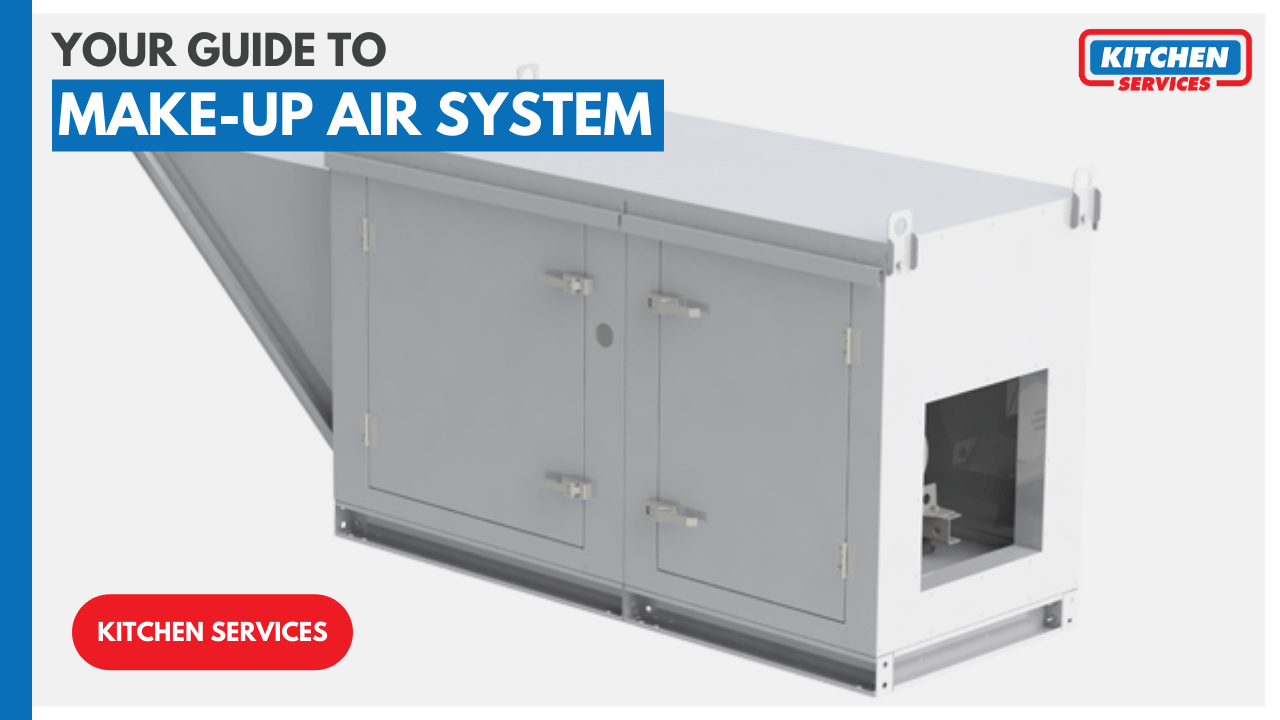
Maintaining balanced indoor air pressure is crucial for the safety, comfort, and energy efficiency of a building. Whether it’s a commercial kitchen, a hospital, or a high-rise office, exhaust systems work hard to remove stale, contaminated, or overheated air from indoor spaces. However, this removal creates a vacuum that must be replenished with fresh air. Enter the make-up air system, a critical, though often overlooked, component of modern HVAC design.
In this article, we’ll answer the question: what is make-up air system, how it works, and why it matters more than you might think.
What is a Make-up Air System?
A make-up air system is a mechanical ventilation solution that draws in fresh, conditioned air from outside to replace indoor air that has been exhausted through fans, hoods, or vents. This “make-up” air ensures that buildings do not experience negative pressure, which can lead to a host of comfort, safety, and health issues.
Unlike general ventilation, which focuses on the circulation and filtration of indoor air, a make-up air system specifically targets air replacement. When properly designed, it introduces tempered air into a building in a controlled and energy-efficient manner, improving indoor air quality (IAQ) and maintaining neutral or slightly positive air pressure.
If you are looking for make-up air system installers in Los Angeles and surrounding areas. We at Kitchen Services, provides competitive price and high quality services.
Why Is Make-Up Air Important?
When you exhaust air from a building — whether through a kitchen hood, bathroom fan, or industrial fume vent — that air has to be replaced. If it isn’t, negative pressure forms inside the structure. The result? Unwanted consequences such as:
- Drafts and air leakage through doors, windows, and building cracks.
- Backdrafting of combustion appliances (furnaces, water heaters, etc.), allowing dangerous gases like carbon monoxide to re-enter the building.
- Poor air quality due to unfiltered outside air seeping in.
- Strain on HVAC systems, increasing energy consumption and reducing efficiency.
- Mold growth and moisture problems from uncontrolled air and humidity flow.
In other words, ignoring make-up air means sacrificing indoor comfort and safety.
How Does a Make-Up Air System Work?
At its core, a make-up air system introduces outdoor air into a building using fans, ducts, and filtration equipment. Here’s a step-by-step breakdown of how it functions:
- Detection of Exhaust Air Loss: The system senses when indoor air is being exhausted, typically via integration with ventilation systems such as commercial kitchen hoods or lab fume extractors.
- Activation: Once air is removed, the make-up air unit (MAU) activates to bring in an equivalent volume of fresh air.
- Filtration: The incoming air passes through filters to remove dust, pollen, and other contaminants.
- Conditioning: Depending on the climate and application, the air is heated, cooled, humidified, or dehumidified to match indoor conditions.
- Distribution: The treated air is then distributed evenly through ductwork to the necessary spaces, restoring balance to the indoor air pressure.
What Is the Difference Between Make-Up Air and Standard Ventilation?
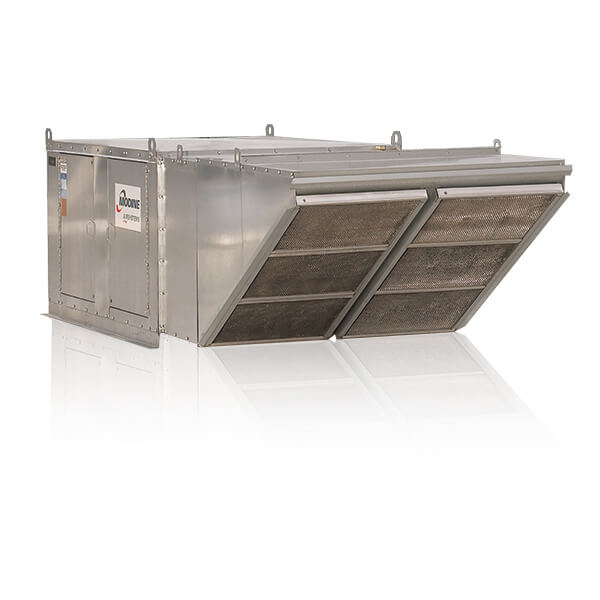
This is a common question: what is make-up air system, and how is it different from ventilation?
- Ventilation systems aim to refresh indoor air, often by exhausting stale air and sometimes bringing in outside air. However, the air intake may be uncontrolled and unconditioned.
- Make-up air systems, on the other hand, are explicitly designed to replace exhausted air in a controlled manner and with temperature and humidity adjustments when necessary.
Think of ventilation as an umbrella term, while make-up air is a specialized tool under that umbrella.
Common Applications of Make-Up Air Systems
Make-up air systems are critical in a variety of commercial, industrial, and even residential settings. Here’s a breakdown of where and why they’re used:
1. Commercial Kitchens
Exhaust hoods in restaurants can remove massive amounts of air — especially during peak cooking hours. A make-up air unit ensures this air is replaced with fresh, tempered air, preventing:
- Pressure imbalances that make doors hard to open
- Backdrafts from gas stoves
- Overheating or cold spots in the kitchen
2. Healthcare Facilities
Hospitals and clinics rely on precise air pressure zones to control the spread of airborne contaminants. Make-up air units support:
- Infection control through filtered and conditioned air
- Regulation of humidity to prevent microbial growth
- Safe operation of natural draft equipment
3. Laboratories
Chemistry labs and clean rooms depend on consistent airflow. Make-up air units help by:
- Maintaining pressure differentials between rooms
- Introducing fresh air to replace air exhausted through fume hoods
- Supporting heating and cooling requirements for sensitive environments
4. Industrial and Manufacturing Plants
Manufacturing processes often emit heat, fumes, and particulates that must be exhausted. Make-up air systems:
- Bring in fresh air to dilute and replace contaminants
- Help cool down overheated spaces
- Maintain pressure to prevent infiltration of unfiltered air
5. Residential Applications
In tightly sealed, energy-efficient homes, even everyday appliances like range hoods and clothes dryers can cause air pressure imbalances. A residential make-up air system:
- Protects against carbon monoxide backdrafting
- Prevents drafts and cold spots
- Supports indoor air quality
Key Components of a Make-Up Air System
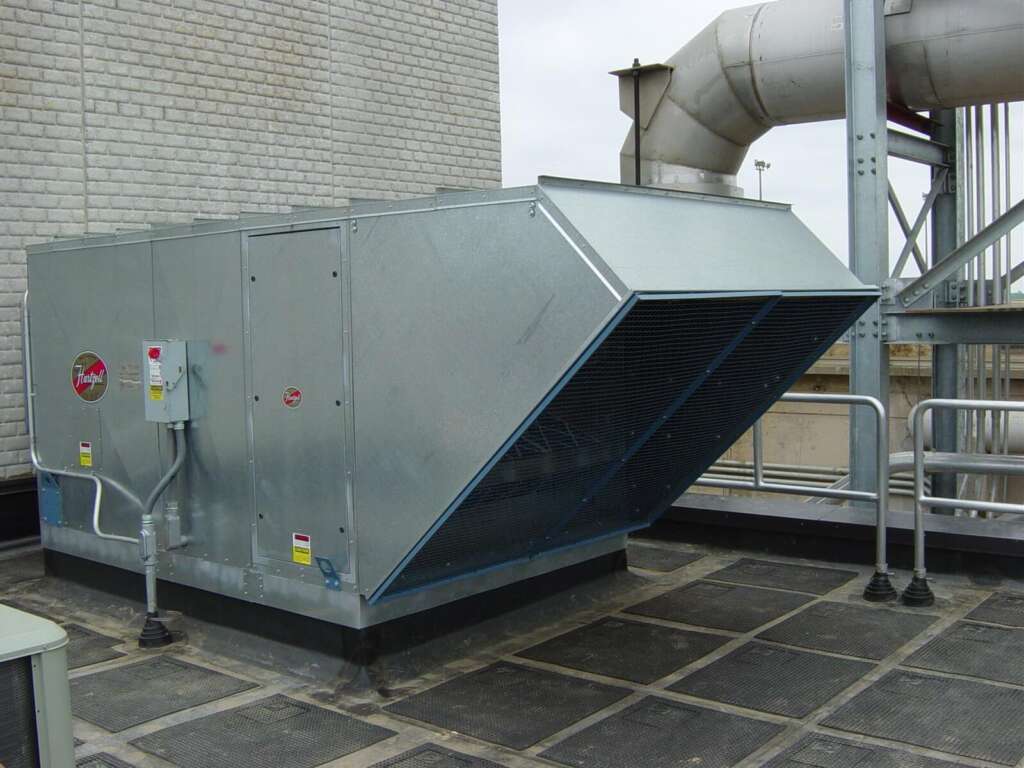
To better understand what is make-up air system, let’s look at its essential parts:
- Air Intake Hood: Located on the building’s exterior, this hood draws in outside air.
- Filter Section: Removes particulates and pollutants from incoming air.
- Heating/Cooling Coils: Adjusts air temperature as needed.
- Blower/Fan: Moves the air through the ductwork into the building.
- Dampers & Controls: Modulate airflow volume and direction, often integrated with building automation systems (BAS).
Advanced systems may also include energy recovery ventilators (ERVs) or heat exchangers to minimize energy loss.
Pros and Cons of Make-Up Air Systems
Benefits
- Balanced Indoor Pressure: Avoids drafts, door-suction issues, and equipment malfunction.
- Improved Air Quality: Filters pollutants before they enter the space.
- Energy Efficiency: When paired with heat recovery, it reduces energy use.
- Comfort & Safety: Provides temperature-controlled fresh air where and when it’s needed.
Challenges
- Installation Costs: Requires upfront investment in equipment and labor.
- Maintenance Requirements: Filters and fans need regular service.
- Space Considerations: Larger units may need mechanical room space or rooftop placement.
However, these costs are typically outweighed by the long-term energy savings and safety benefits.
Signs You Might Need a Make-Up Air System
Still not sure if your building needs one? Here are some common signs:
- Exhaust fans seem weak or underperforming
- Smoke or odors linger inside despite ventilation
- Doors are difficult to open or close due to pressure
- Carbon monoxide detectors go off near gas appliances
- Staff or occupants complain about drafts or stuffiness
If you’re experiencing one or more of these issues, it may be time to consider a professional assessment of your ventilation setup.
Energy Efficiency and Green Building Compliance
Modern make-up air systems are increasingly designed with energy conservation in mind. Features such as:
- Variable frequency drives (VFDs)
- High-efficiency filtration
- Heat recovery ventilators (HRVs)
- Smart controls integrated with building management systems
These innovations make it easier to comply with LEED standards and ASHRAE guidelines for energy-efficient, sustainable buildings.
Conclusion: Why a Make-Up Air System Matters
To sum it all up, if you’ve ever asked, what is make-up air system, now you know it’s a fundamental part of balanced and healthy ventilation.
By controlling how outside air enters a building, make-up air systems:
- Improve indoor air quality
- Prevent costly HVAC inefficiencies
- Protect the health and comfort of occupants
- Ensure compliance with safety and building codes
Whether you’re managing a commercial kitchen, designing a hospital, or renovating a manufacturing facility, incorporating a make-up air system isn’t just smart it’s essential.
Make-up Air System FAQs
When is makeup air required for a range hood?
In the US, the construction industry has long recognized the need for adequate makeup air for exhaust systems. Beginning in 2009 and in every version since, the International Residential Code (IRC) has required that makeup air be provided for kitchen hood exhaust systems with capacity of 400 cfm or greater.
What is makeup air HVAC?
Makeup air HVAC systems provide fresh air to replace air exhausted by ventilation systems. They help balance air pressure in commercial or industrial spaces, improving indoor air quality and ensuring proper ventilation, especially in areas like kitchens where large amounts of air are removed.
What are commercial kitchen makeup air requirements?
Commercial kitchen makeup air requirements ensure a balance between the air exhausted by range hoods and the fresh air supplied. The volume of makeup air must match the exhaust air volume to prevent negative air pressure, backdrafts, and ventilation issues. Local codes typically govern these requirements.
How to install makeup air for range hoods?
To install makeup air for range hoods, start by selecting a system that matches your exhaust capacity. The unit is typically placed near the kitchen and connected to ducts that bring in fresh, conditioned air. Follow manufacturer instructions and local building codes to ensure safe, efficient installation.
Do I need make up air for my range hood?
Yes, if your range hood exhausts a large volume of air, especially in a commercial setting, makeup air is required to replace that air and prevent negative pressure issues. Residential systems may also need makeup air depending on the exhaust capacity and local building codes.
