

When the seasons shift and extreme weather looms, your HVAC system becomes your first line of defense against discomfort. But without regular upkeep, even the most advanced HVAC systems can underperform or break down. That’s where an HVAC Tune-Up Checklist becomes essential.
This comprehensive guide will walk you through what an HVAC tune-up entails, when it’s necessary, and the specific tasks involved. We’ll also explain why staying on top of your HVAC maintenance isn’t just a good idea—it’s a smart investment in long-term performance, energy savings, and indoor comfort.
What Is an HVAC Tune-Up?
An HVAC tune-up is a thorough inspection and maintenance process conducted by a certified technician to ensure your system is operating efficiently and safely. It involves cleaning, testing, lubricating, tightening, and inspecting various parts of both heating and cooling units.
The goal is to spot minor issues before they evolve into major repairs or costly system failures. A well-maintained HVAC system will use less energy, last longer, and keep your indoor air quality at healthy levels year-round.
Benefits of Using an HVAC Tune-Up Checklist
Routine HVAC tune-ups offer a wide range of advantages, including:
- Extended System Lifespan
- Lower Energy Bills
- Improved Indoor Air Quality
- Prevention of Unexpected Breakdowns
- Increased System Efficiency
- Safe Operation
- Compliance with Warranty Requirements
- Peace of Mind Year-Round
When Should You Perform an HVAC Tune-Up?
Ideally, facility managers should follow a biannual HVAC tune-up checklist:
- Spring – Prepare the cooling system for summer heat.
- Fall – Ready the heating system for winter chills.
Scheduling maintenance before seasonal extremes ensures your HVAC system works optimally when you need it most.
The Complete HVAC Tune-Up Checklist
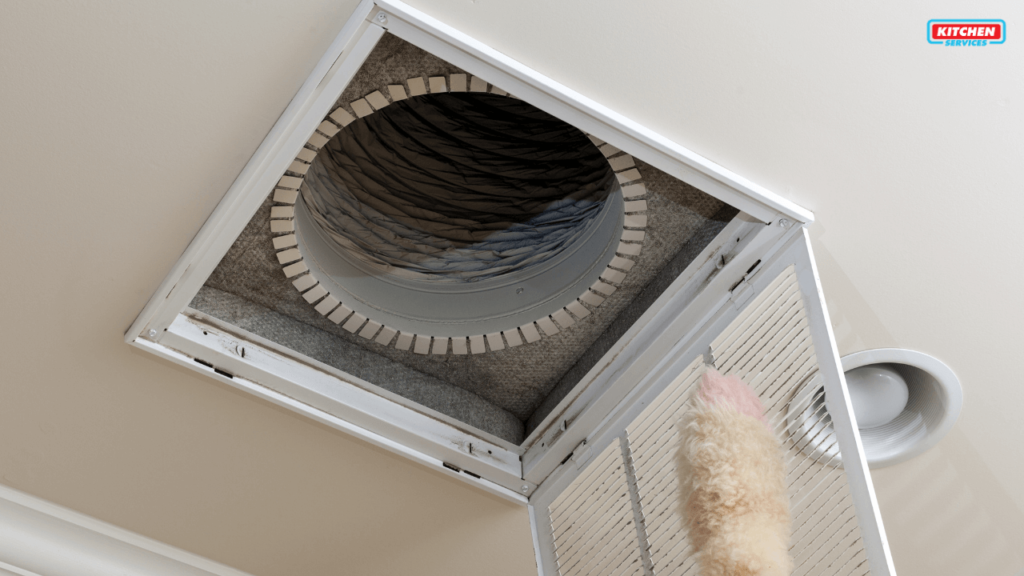
Below is a categorized breakdown of a comprehensive HVAC tune-up checklist that addresses each system component:
1. Air Filter Maintenance
- Change or clean the air filter.
- Ensure airflow is not restricted.
- Check for debris buildup near filter housing.
Dirty air filters are the leading cause of HVAC inefficiency and poor air quality.
2. Indoor Unit Checklist
- Inspect and clean evaporator coil.
- Test and calibrate thermostat for accuracy.
- Inspect and clean the blower motor and assembly.
- Adjust blower components for optimal airflow.
- Lubricate all moving parts.
- Check and clean the condensate drain line to prevent clogs.
- Tighten electrical connections.
- Test and adjust safety controls.
- Inspect the humidification system (if installed).
- Examine wiring for wear or corrosion.
3. Outdoor Unit Checklist
- Inspect condenser coil and clean if necessary.
- Ensure proper drainage away from the condenser.
- Check refrigerant charge and pressure levels.
- Inspect for refrigerant leaks and repair if needed.
- Examine fan motor and blades for wear and tear.
- Remove debris, leaves, or obstructions around the unit.
- Check cabinet seals and electrical disconnects.
- Test startup and shutdown functions.
4. Ductwork and Airflow Inspection
- Inspect visible ductwork for damage, leaks, or disconnected joints.
- Test airflow throughout the house or facility.
- Seal duct leaks to improve system efficiency.
- Clean supply and return vents.
5. Heating System Checklist (Furnace or Heat Pump)
- Inspect the heat exchanger for cracks or damage.
- Clean and inspect burners and flame sensor.
- Inspect ignition system and test igniter.
- Check exhaust and flue systems for blockages.
- Monitor combustion gases for safety.
- Lubricate motor bearings and moving parts.
- Test auxiliary heaters in heat pumps.
6. Refrigerant System
- Check refrigerant pressure and recharge if low.
- Inspect all refrigerant lines and service valves.
- Measure temperature differentials at supply and return.
- Ensure reversing valve (for heat pumps) operates correctly.
7. Electrical and Safety Checks
- Inspect and tighten all wiring connections.
- Monitor amperage and voltage to motors.
- Test emergency shutoff and restart mechanisms.
- Check fuses and circuit breakers.
- Inspect control board functionality.
8. Thermostat & Controls
- Test system startup, cycling, and shutdown.
- Calibrate the thermostat.
- Replace batteries if needed.
- Ensure programmable settings align with energy-saving preferences.
9. General Inspection
- Clean the system’s cabinet exterior.
- Ensure the system is level and secured.
- Check for unusual odors or sounds.
- Verify that access panels are secure and sealed.
- Test system performance through several cycles.
Signs You Need an HVAC Tune-Up Now

If you haven’t followed a seasonal HVAC tune-up checklist lately, watch out for these warning signs:
- Uneven temperatures across rooms
- Strange odors when system starts
- Loud or unusual noises
- Frequent cycling on and off
- Increased utility bills
- Weak airflow or stuffy air
- Thermostat readings seem off
Why HVAC Tune-Ups Save You Money
Regular tune-ups help detect small inefficiencies that can cost you over time. For example:
- A clogged air filter can increase energy use by up to 15%.
- Refrigerant issues can damage the compressor—one of the most expensive repairs.
- Electrical faults can be a safety hazard if not caught early.
Following a professional HVAC tune-up checklist reduces these risks while helping your unit run at peak efficiency.
DIY vs. Professional HVAC Tune-Ups
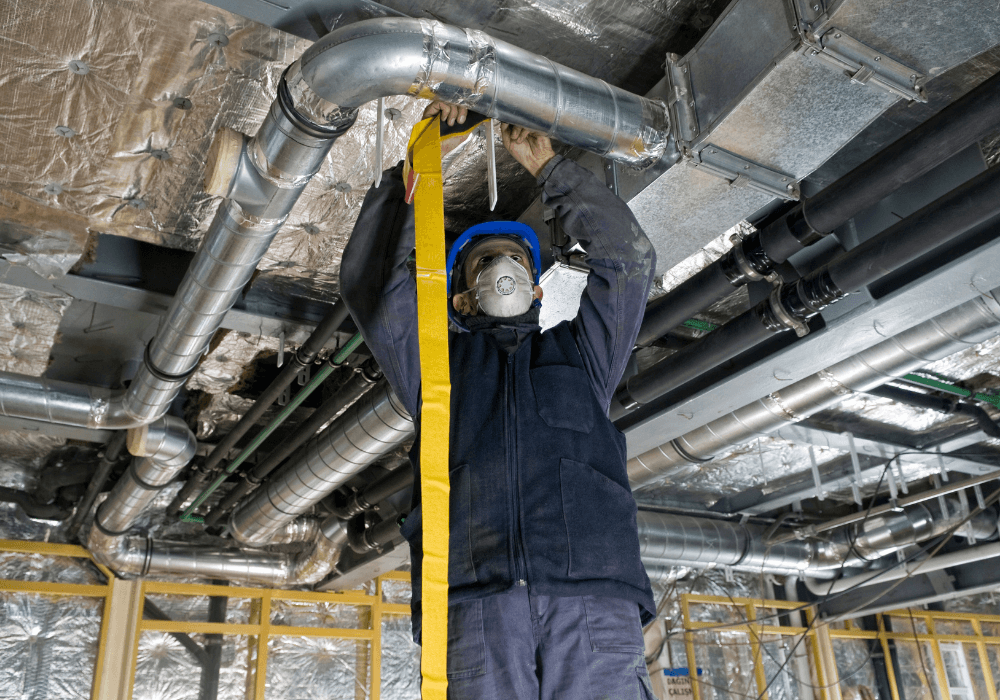
While basic tasks like replacing filters or cleaning vents can be handled by homeowners, deeper system diagnostics require certified HVAC technicians. Here’s a quick breakdown:
| DIY Tasks | Professional Only |
|---|---|
| Replace filters | Refrigerant testing and charging |
| Clear debris from condenser | Electrical safety checks |
| Clean accessible vents | Heat exchanger and burner inspection |
| Check thermostat batteries | Combustion testing, airflow diagnostics |
Hiring a pro ensures that each item in the HVAC tune-up checklist is completed with precision and according to code.
Kitchen Services offers extensive and thorough maintenance services that strictly follow the HVAC tune up checklist for homeowners or commercial usage. Contact us today, so your HVAC system can thank you later!
Conclusion: Schedule Your HVAC Tune-Up Today
A detailed HVAC tune-up checklist is your best tool for maintaining a healthy, efficient system. Whether it’s cooling in the summer or heating in the winter, routine HVAC maintenance can help you avoid costly repairs, extend your equipment’s life, and improve your overall indoor comfort.
If it’s been more than six months since your last HVAC inspection—or you’ve noticed any warning signs—schedule your next service now. Preventive care isn’t a luxury; it’s a necessity.
FAQs about HVAC Tune-Ups
We have gone over the HVAC tune-up checklist, so let’s look at the frequently asked questions regarding it:
1: When should I go for an HVAC tune-up?
It is recommended to schedule HVAC tune-ups at least once a year. Actually, it’s best to schedule them right before the cooling or heating seasons, which are spring and fall.
2: Can I do HVAC tune-ups myself?
You can do some of the tasks on the HVAC tune-up checklist by yourself, such as changing air filters. However, it’s better to leave the more complicated tasks to trained professionals. Our technicians have the expertise and tools to perform thorough inspections and address any issues effectively.
3: How will I know that my HVAC system needs a tune-up?
Some common signs include unusual noises, reduced airflow, increased energy bills, and inconsistent temperatures. Therefore, any of these signs would tell you that your HVAC system needs a tune-up.
4: Can HVAC tune-ups improve indoor air quality?
Yes! Doing so can help reduce pollutants such as allergens and dust in your space.
This article helps you understand why you need to stay on top of the potential issues caused by negligible matter like dirt and dust. Schedule your appointment as soon as possible to get your system serviced by a professional and give it the attention it needs for better and peak performance to keep your home comfortable.
